The Difference Between Standard and Specialty Contact Lenses

The Difference Between Standard and Specialty Contact Lenses

The Difference Between Standard and Specialty Contact Lenses

The Difference Between Standard and Specialty Contact Lenses

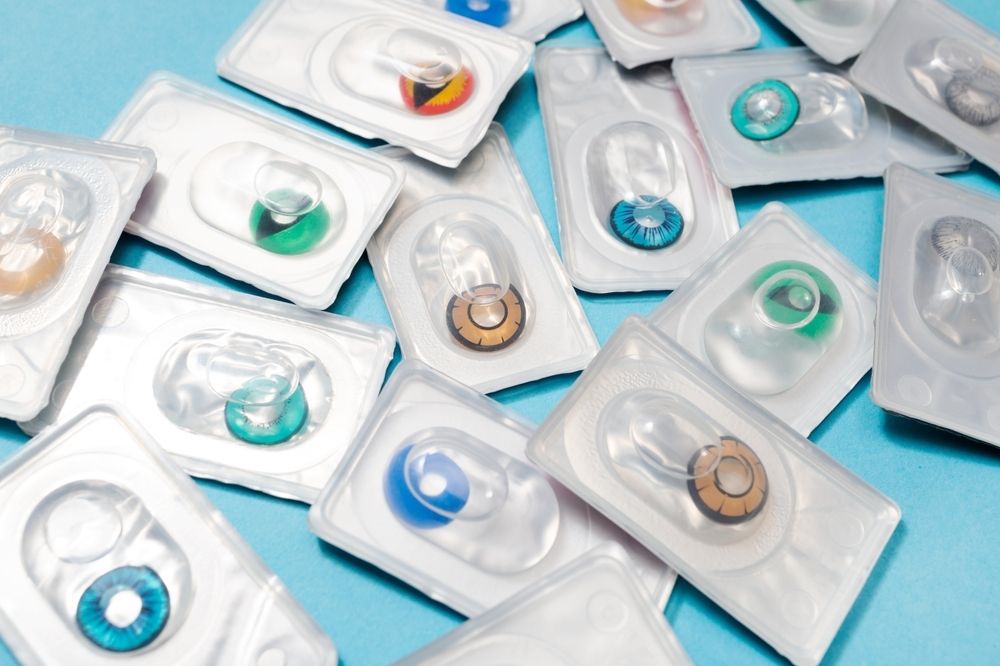
For many patients, standard contact lenses provide clear, comfortable vision. However, for those with irregular corneas, dry eye, or more complex prescriptions, standard lenses may not be enough. Specialty contact lenses are designed to solve these challenges, offering customized vision correction when traditional lenses fall short.
What Are Standard Contact Lenses?
Standard contact lenses are the most commonly prescribed lenses and are typically soft lenses designed to correct basic refractive errors such as nearsightedness, farsightedness, and astigmatism.
Common Types of Standard Contact Lenses
- Soft daily, bi-weekly, or monthly lenses
- Toric lenses for mild to moderate astigmatism
These lenses work well for patients with healthy eyes and straightforward prescriptions. They are often easy to adapt to, affordable, and widely available.
What Are Specialty Contact Lenses?
Specialty contact lenses are custom-designed lenses created to address complex vision issues or irregular eye conditions that standard lenses cannot adequately correct. These lenses require advanced measurements, specialized fittings, and close follow-up care.
Common Types of Specialty Contact Lenses
- Scleral lenses - Large-diameter lenses that vault over the cornea and rest on the sclera, ideal for irregular corneas and dry eye
- Rigid Gas Permeable (RGP) lenses - Firm lenses that provide sharper vision for certain prescriptions
- Hybrid lenses - Combine a rigid center with a soft outer skirt for comfort and clarity
- Custom soft lenses - Made for unusual prescriptions or eye shapes
Specialty lenses are often recommended for patients with conditions such as keratoconus, post-surgical corneas, severe dry eye, high astigmatism, or vision distortions that cannot be corrected with standard lenses.
Key Differences Between Standard and Specialty Contact Lenses
- Customization: Standard lenses are produced in fixed sizes and powers, while specialty lenses are custom-designed to match the unique shape and needs of your eyes.
- Vision Correction: Standard lenses correct common refractive errors. Specialty lenses correct complex or irregular vision issues that standard lenses cannot fully address.
- Comfort and Eye Health: Specialty lenses can provide improved comfort and eye health for patients with dry eye, corneal irregularities, or sensitivity by creating a more stable and protective lens environment.
- itting Process: Standard lenses typically require a straightforward fitting. Specialty lenses in Rancho Cucamonga involve advanced diagnostics, detailed measurements, and follow-up visits to ensure optimal vision and comfort.
Find the Right Contact Lenses for Your Eyes
The right contact lens depends on your vision needs, eye health, lifestyle, and comfort goals. While standard contact lenses are an excellent solution for many patients, specialty contact lenses can be life-changing for those who struggle with vision clarity or discomfort in traditional lenses.
If you’re experiencing discomfort with your current contacts, schedule a contact lens exam at Inland Family Optometry to explore whether standard or specialty contact lenses are the right fit for your eyes and your lifestyle. Visit our office in Rancho Cucamonga, California, or (909) 345-6100 to book an appointment today.


Rancho Cucamonga
OFFICE HOURS
- Monday9:00 AM - 12:30 PM, 1:45 - 4:00 PM
- Tuesday9:00 AM - 12:30 PM, 1:45 - 6:00 PM
- Wednesday9:00 AM - 12:30 PM, 1:45 - 6:00 PM
- Thursday9:00 AM - 2:00 PM
- Friday9:00 AM - 12:30 PM, 1:45 - 4:00 PM
- SaturdayClosed
- SundayClosed
Quick Contact Form
Chino
OFFICE HOURS
- Monday9:00 AM - 2:00 PM
- Tuesday9:00 AM - 12:30 PM, 1:45 - 6:00 PM
- Wednesday9:00 AM - 12:30 PM, 1:45 - 5:00 PM
- Thursday9:00 AM - 12:30 PM, 1:45 - 4:00 PM
- Friday9:00 AM - 12:00 PM, 1:45 - 6:00 PM
- Saturday8:00 AM - 1:00 PM
- SundayClosed
© 2026 Inland Family Optometry.
All rights Reserved. Accessibility Statement - Privacy Policy - Terms and Conditions - Sitemap
All rights Reserved. Accessibility Statement - Privacy Policy - Terms and Conditions - Sitemap
Powered by