Picture your child squinting at a book, or rubbing their eyes after homework, and never saying a word about it. Kids usually don't know how to tell you when something's off with their vision. A lot of the time, they just assume everyone sees the world the way they do. That's why it helps so much when parents know the signs of a vision problem, so your child can get the care they need for healthy visual development.
Common Eye Conditions in Children
Myopia, or nearsightedness, is one we see all the time. Things far away look blurry, and it's becoming more and more common in school-aged kids. Hyperopia (farsightedness) makes it hard to focus on things up close. With astigmatism, vision is distorted or blurry at every distance because the cornea has an irregular shape.
Then there's amblyopia, often called lazy eye. That's when one eye doesn't develop normal vision, usually because there's a big difference in prescription between the two eyes. And strabismus (crossed eyes) is when the eyes don't line up properly and may point in different directions.
If these conditions aren't addressed, they can affect your child's ability to read, write, and learn, and they can even get in the way of sports.
Signs Your Child May Be Struggling to See
Not every child can put a vision problem into words, but there are some subtle (and not-so-subtle) clues you can watch for at home:
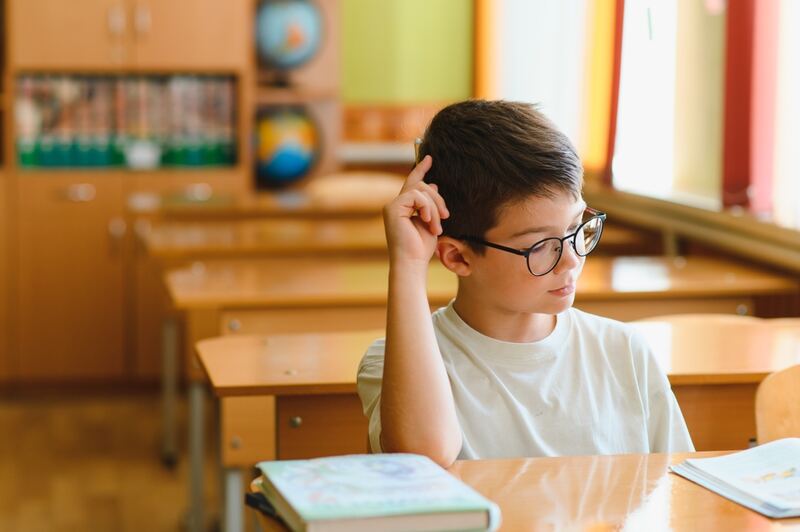
- Squinting or tilting the head
- Frequent eye rubbing
- Sitting too close to the TV or holding books very close
- Complaints of headaches or tired eyes
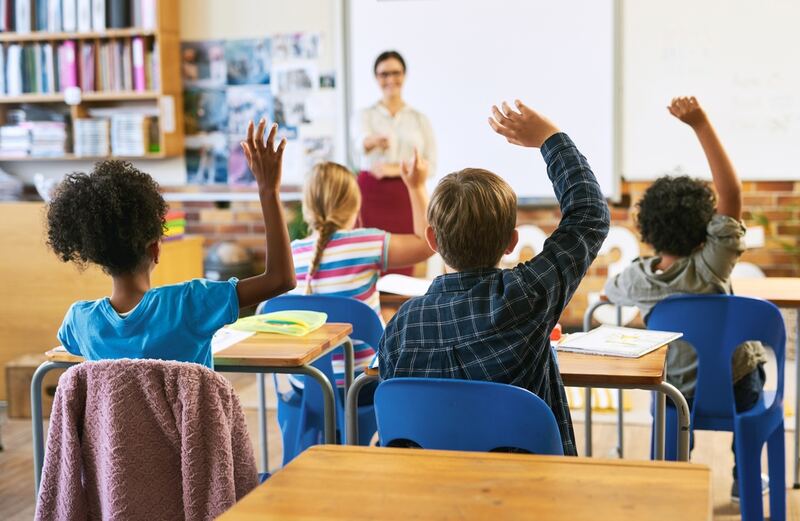
- Difficulty with reading or poor academic performance
- Trouble maintaining eye contact
- Wandering or crossed eyes
- Excessive blinking or tearing
If you notice any of these, it's a good idea to schedule a pediatric eye exam.
Why Early and Regular Pediatric Eye Exams Matter
Your child's eyes develop fast in the early years, so regular eye exams really are a must. They help us catch and treat vision problems before they get in the way of learning or development.
Early detection is one of the biggest benefits. Conditions like myopia (nearsightedness) or amblyopia (lazy eye) are much easier to manage when we catch them early, and treatment is often more effective when it starts on time. That can help prevent long-term vision issues.
Exams also make sure your child gets the vision correction they need. If they need glasses or contact lenses, seeing clearly can make a real difference in how they do at school, how confident they feel socially, and how much they join in on everyday activities.
For kids who are developing myopia, early exams also open the door to myopia management. Options like specialty contact lenses or low-dose atropine eye drops can help slow down nearsightedness and protect better vision over time.
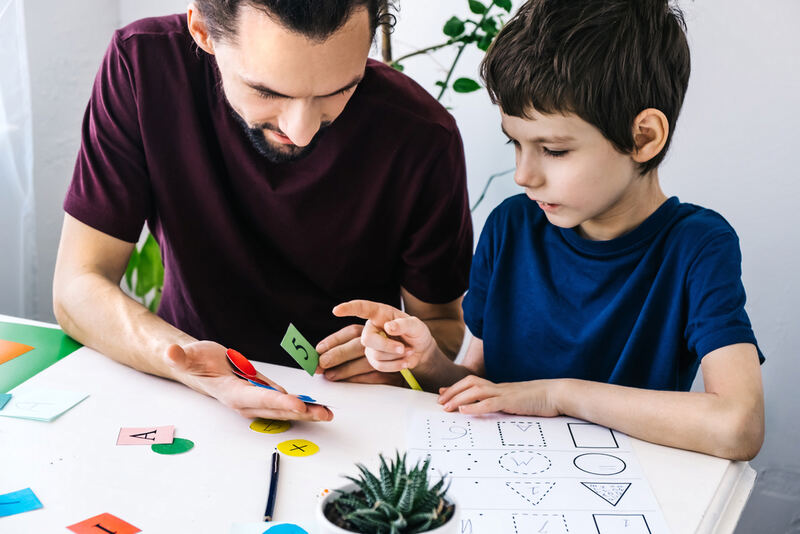
One more thing parents should know... passing a basic vision screening doesn't replace a full eye exam at an optometry clinic. A full exam looks at much more than how clearly your child sees. We also check eye health, focusing ability, eye teaming, and other key parts of visual development.
Prioritize Your Child's Vision for the School Year Ahead
Healthy vision means so much for your child's growth, learning, and confidence. Summer break is a perfect window to book an eye exam without messing up the school routine, and it gives us time to start any needed treatment before the new school year begins. Booking early also helps you skip the late-summer rush, so your child is ready for the classroom and beyond.
Schedule your child's back-to-school eye exam at Inland Family Optometry so they have the clear vision they need to thrive. Visit our office in Chino, California, or call (909) 628-1226 to book an appointment today.
Ready to schedule your visit?