Our Services
Myopia Management
Nearsightedness in children is progressing at epidemic rates. Proven therapies can slow it down — protecting your child's sight for a lifetime.
Request an Appointment
Slow Myopia. Protect Their Future.
Myopia, or nearsightedness, commonly develops as the eye grows too long from front to back. Light then focuses in front of the retina instead of directly on it, making distant objects appear blurry while near objects may remain clear.
Myopia is not just an inconvenience. As the eye continues to elongate and the prescription increases, so can the lifetime risk of retinal detachment, glaucoma, cataracts, and myopic macular degeneration. The higher the degree of myopia, the greater the concern.
Routine eye exams offer the best opportunity to identify myopia early. Once it is diagnosed, modern myopia management can combine optical treatments, medication when appropriate, healthy visual habits, and regular measurements to help slow progression.
Axial Length Monitoring
Because myopia is closely associated with eye growth, we monitor axial length—the eye's front-to-back measurement—along with visual acuity and prescription changes to assess progression.
Multifocal Soft Lenses
Specially fitted multifocal contact lenses can correct vision while changing how peripheral light focuses on the retina, which may help reduce the rate of eye elongation.
Myopia-Control Spectacle Lenses
Specialized eyeglass lenses use peripheral defocus zones around a clear central area. Availability and suitability depend on the individual product, prescription, age, and current regulatory guidance.
MiSight® 1 Day
MiSight daily disposable contact lenses use alternating treatment and correction zones to correct distance vision while helping slow myopia progression in appropriately selected children.
Orthokeratology (Ortho-K)
Custom overnight lenses gently reshape the cornea during sleep. Fitting includes an ocular-health evaluation, corneal topography, custom lens design, and regular follow-up to support clear daytime vision and myopia control.
Low-Dose Atropine
Prescription low-dose atropine eye drops may help slow childhood myopia progression. Concentration, dosing, expected benefits, and possible side effects are reviewed individually by the doctor.
Signs to Watch For
Blurry vision when looking at distant objects
Squinting to make faraway details clearer
Headaches or discomfort related to eye strain
Difficulty seeing clearly while driving at night
Trouble reading a classroom board or lecture screen
Frequent prescription changes or moving closer to see
Common Questions
Frequently Asked Questions
At what age should myopia management start?
The sooner myopia is identified, the sooner its progression can be monitored and addressed. Myopia often progresses fastest in younger children, but patients of any age should have increasing nearsightedness evaluated.
Does myopia management cure nearsightedness?
No — the goal is to slow progression so your child ends up with a lower final prescription and healthier eyes, not to reverse existing myopia.
Which treatment is best for my child?
It depends on age, prescription, lifestyle, and maturity. After a full evaluation, we'll recommend the option — or combination — best suited to your child.
Why measure axial length?
Axial length is the front-to-back length of the eye. Since excessive eye elongation is a major structural change associated with myopia, tracking this measurement alongside visual acuity and prescription helps us evaluate whether a management plan is working.
Can adults receive myopia care?
Yes. Although myopia management is often discussed for children because their eyes are still growing, adults also benefit from regular monitoring, accurate correction, and evaluation of the eye-health risks associated with higher myopia.
How will we know whether my child's myopia plan is helping?
Follow-up visits may compare prescription, visual acuity, axial length, eye health, and how consistently the treatment is used. Because progression varies, the doctor will interpret trends over time and discuss whether the plan should continue or change.
What side effects or warning signs should families watch for?
Possible effects depend on the treatment and may include glare, light sensitivity, focusing changes, irritation, or contact-lens discomfort. Follow the specific care instructions and contact the office promptly for pain, marked redness, discharge, sudden vision changes, or other concerning symptoms.
Start Myopia Management
If you or your child is squinting, struggling to see at a distance, or experiencing frequent prescription changes, schedule an eye exam so we can provide personalized guidance.
Explore More Care
All Services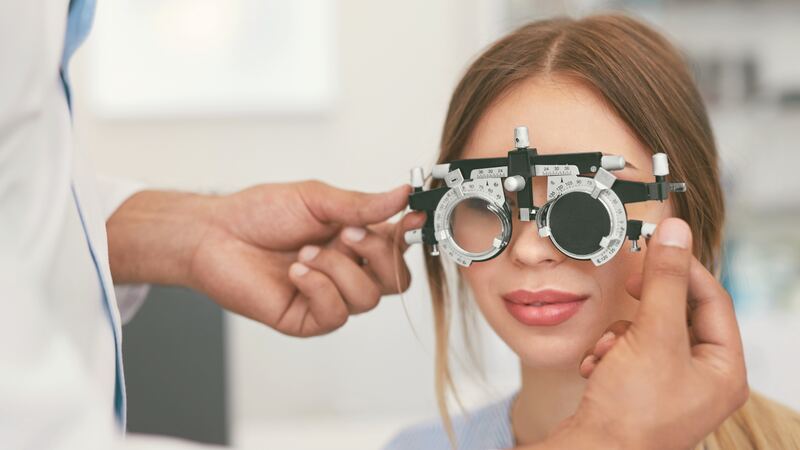
Comprehensive Eye Exams
More than just a prescription check — a full evaluation of your vision, eye health, and whole-body wellness.
Learn More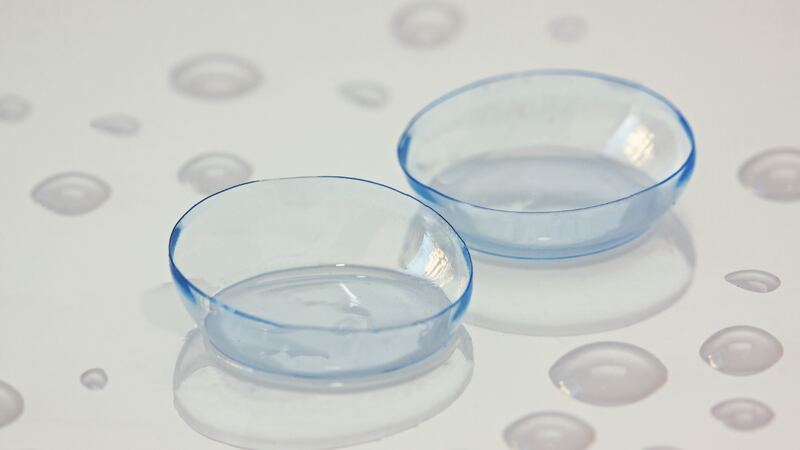
Contact Lens Exams
A precise contact lens fitting is more than matching your glasses prescription — we evaluate your corneal shape, tear film, and lifestyle to find the lens that performs best for your eyes.
Learn More
Red Eye Visits
Red, itchy, or discharge-filled eyes can mean several different things. We diagnose the cause accurately and prescribe the right treatment — so you feel better fast.
Learn More