
Our Services
Retinal Exams
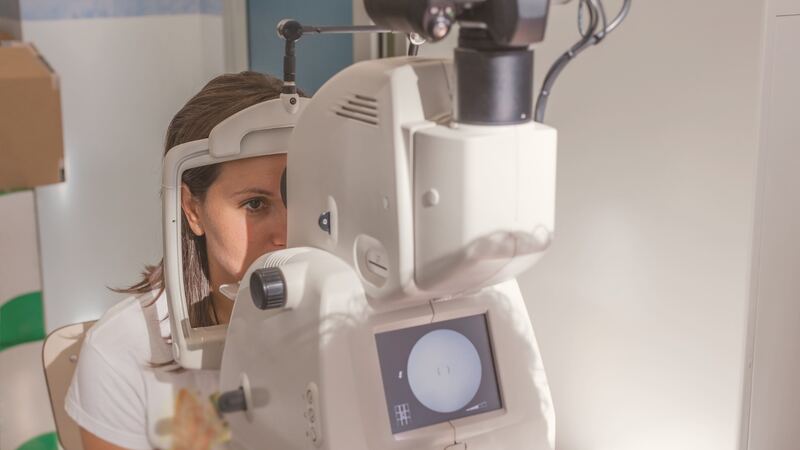
A dilated retinal exam gives your doctor an unobstructed view of your entire retina, optic nerve, and blood vessels — the most thorough assessment of eye health available.
Request an Appointment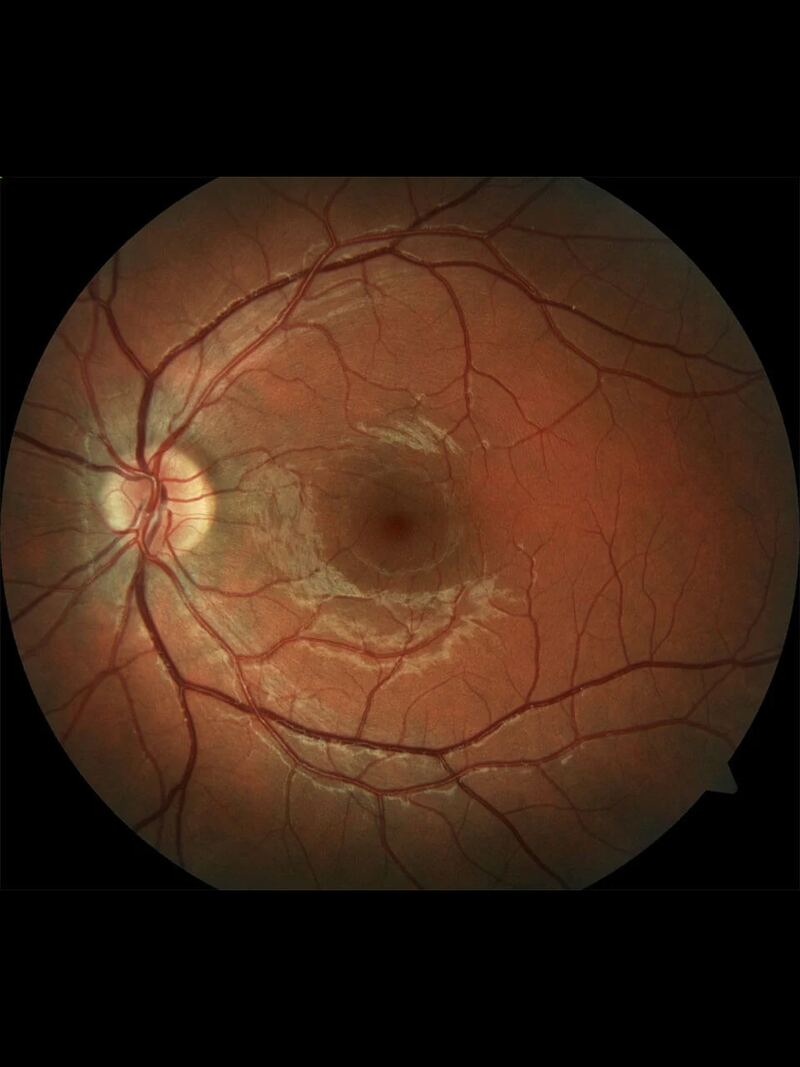
The Gold Standard Of Eye Health
During a dilated retinal exam, drops are used to widen your pupils, allowing our doctors to examine the back of your eye in full detail. This is the gold-standard method for detecting retinal disease, glaucoma, diabetic retinopathy, macular degeneration, and other conditions that cannot be seen without dilation.
Without dilation, only a small portion of the retina is visible. Dilation opens the pupil fully, revealing the peripheral retina where many early-stage diseases first appear.
Connected Care
Retinal Care Product Guidance
Ask your optometrist whether nutritional support is appropriate for your individual retinal care plan.
Why Dilation Matters
Many sight-threatening conditions begin silently in the peripheral retina — visible only with a fully dilated exam.
What the Exam Involves
Drops are applied, and after 15–20 minutes your doctor uses a slit lamp and ophthalmoscope to examine the entire retina, optic nerve head, and macula.
Afterward
Your vision may be blurry and light-sensitive for 2–4 hours. Bring sunglasses and consider arranging a driver for longer distances.
What to Expect
Detects early signs of glaucoma by examining the optic nerve
Screens for diabetic retinopathy and macular degeneration
Identifies retinal tears, detachments, and peripheral lesions
Recommended every 1–2 years for adults over 40
Essential annually for patients with diabetes or family history of retinal disease
Quick, painless, and covered by most vision and medical plans
Common Questions
Frequently Asked Questions
Does dilation hurt?
No — the drops may sting for a few seconds, but the exam itself is painless.
How long does dilation last?
Typically 2–4 hours of light sensitivity and blurred near vision. Most patients return to normal activities the same day.
How often should I have a retinal exam?
Every one to two years for most adults, and annually if you have diabetes, high myopia, or a family history of retinal disease.
Can I drive after a dilated retinal exam?
Some patients can drive afterward, but dilation may temporarily blur near vision and increase light sensitivity. Because individual responses vary, consider bringing sunglasses and arranging a driver if you are uncertain or have been affected strongly before.
Does retinal imaging replace dilation?
Retinal photographs can document useful details, but they do not always replace a dilated examination. Your doctor will recommend the appropriate approach based on your symptoms, risk factors, and the areas of the retina that need evaluation.
Request Your Retinal Exam
Our doctors perform dilated retinal exams for patients of all ages at both locations.
Explore More Care
All Services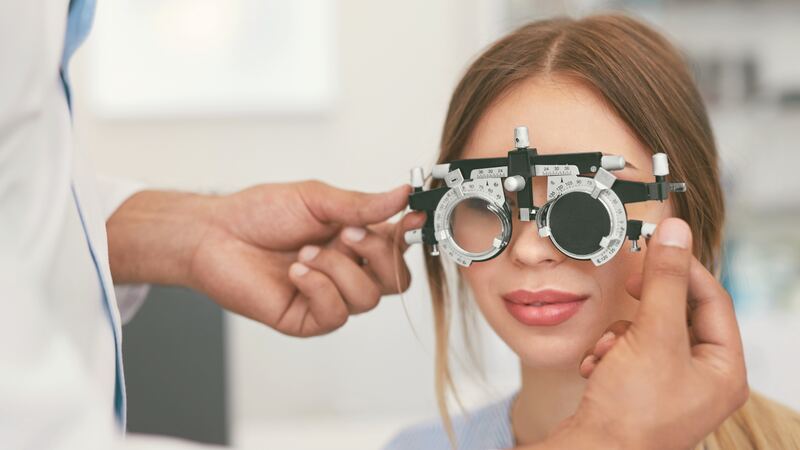
Comprehensive Eye Exams
More than just a prescription check — a full evaluation of your vision, eye health, and whole-body wellness.
Learn More
Contact Lens Exams
A precise contact lens fitting is more than matching your glasses prescription — we evaluate your corneal shape, tear film, and lifestyle to find the lens that performs best for your eyes.
Learn More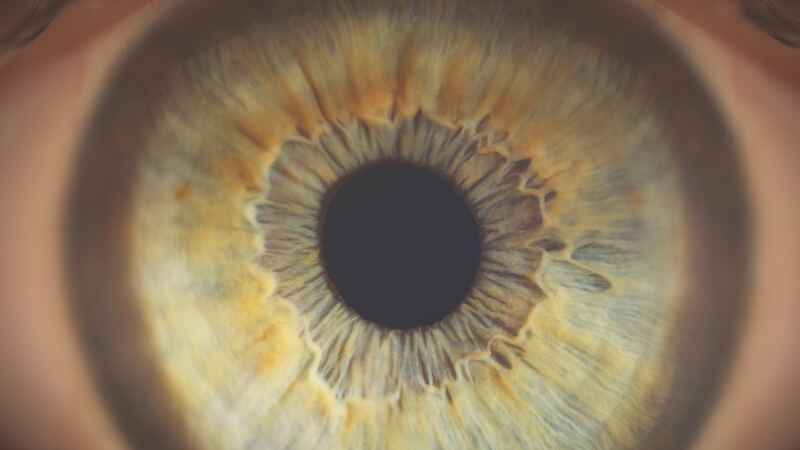
Red Eye Visits
Red, itchy, or discharge-filled eyes can mean several different things. We diagnose the cause accurately and prescribe the right treatment — so you feel better fast.
Learn More