Our Services

Dry Eye Treatment

The newest and most advanced FDA-approved technologies for the treatment of Dry Eye Disease — for lasting, real relief.

Request a ConsultationTake the Dry Eye Quiz
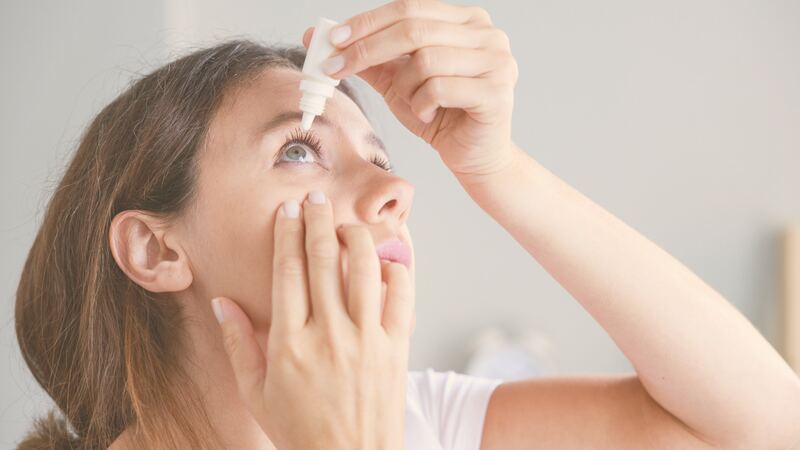
Woman applying lubricating eye drops for dry eye relief

Lumenis Technology Recognition

NewBeauty
Award Winner
2025
MedTech
Breakthrough

Advanced Eye & Aesthetic Care

Discover Whether
OptiLight Is Right for You

Discover a drug-free, drop-free approach to managing dry eye caused by meibomian gland dysfunction with the first IPL technology FDA approved for this condition.

Complimentary Consultation

Meet with our team for a personalized evaluation and treatment recommendation.

New Patient Offer

Request Your Complimentary
OptiLight Consultation

Submit a consultation request. Our office must confirm the date and time before an appointment is booked.

All fields are required.

Please do not submit protected health information or emergency details through this form. For urgent needs, call our office.

Disclaimer Policy

By submitting this form and signing up for texts and emails, you consent to receive marketing text messages, including promotions and reminders, from Inland Family Optometry at the number provided, including messages sent by autodialer. Consent is not a condition of purchase. Message and data rates may apply. Message frequency varies. Unsubscribe at any time by replying STOP or using an unsubscribe link where available. Review our Privacy Policy and Terms of Use.

*New patient promotion cannot be combined with other sales or promotions.

**Results may vary. Inland Family Optometry is committed to complete patient satisfaction for completed treatments; however, individual results vary. No treatment is promised to provide permanent results. A guarantee is neither provided nor implied.
What Is Dry Eye?

Dry eye is a common and often progressive problem that affects approximately 20 million people in the United States — and that number is growing in both young and old adults. It occurs when your tear glands do not produce enough tears to lubricate your eyes, and it can make everyday activities challenging.

The causes are varied, but they all result in the tear film's inability to properly lubricate the eye. Risk may increase with age, hormonal changes, corneal or refractive surgery, contact lens wear, and medical conditions such as diabetes, rheumatoid arthritis, lupus, scleroderma, Sjögren's syndrome, thyroid disorders, and vitamin A deficiency. Antihistamines, decongestants, hormone therapy, antidepressants, and some blood-pressure medications can also contribute.

Environmental factors also matter. Wind, smoke, dry air, extended screen use, incomplete blinking, and products applied close to the eyelid margin may disrupt the tear film. Identifying which factors apply to you helps the doctor treat the cause instead of only masking symptoms.

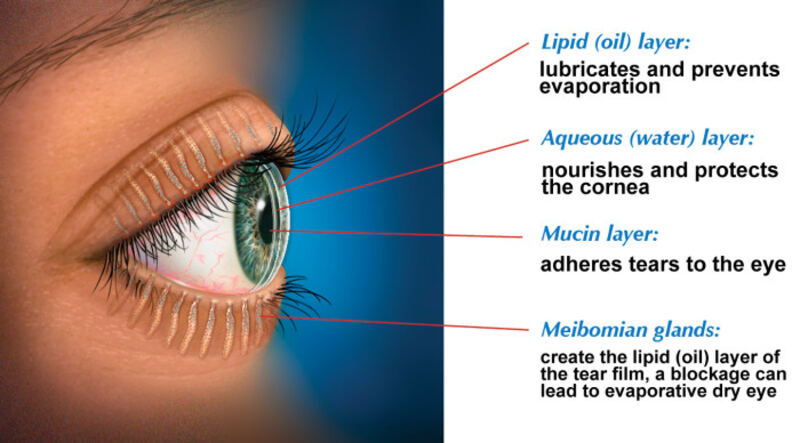
Tear film layers and meibomian glands, described below
The lipid (oil) layer lubricates the eye and prevents evaporation. The aqueous (water) layer nourishes and protects the cornea. The mucin layer helps tears adhere to the eye. Meibomian glands create the lipid layer; a blockage can lead to evaporative dry eye.

Recognizing The Symptoms

Symptoms vary from person to person and can range from mild and occasional to severe and continuous. Confusingly, dry eye can even cause watery eyes — overproduction of tears is the eye's protective response to the discomfort.

Stinging, burning, or scratchy sensation

Stringy mucus in or around the eyes

Sensitivity to light

Eye redness

A sensation of something in your eyes

Difficulty wearing contact lenses

Difficulty with nighttime driving

Watery eyes

Blurred vision or eye fatigue

Itching or irritation around the eyelids

Crusting or flaking around the eyelashes

Understanding the Cause

Common Dry Eye Conditions

Meibomian Gland Dysfunction

Meibomian glands in the upper and lower eyelids release the protective oils that slow tear evaporation. When these glands become blocked or produce poor-quality oil, the tear film can break down too quickly. This is called meibomian gland dysfunction, or MGD, and it is a leading cause of evaporative dry eye.

Blepharitis

Blepharitis is inflammation along the eyelid margins. It may be associated with MGD, bacteria, allergies, skin conditions, or Demodex mites. Signs can include crusted lashes, flaking, swollen or itchy eyelids, redness, light sensitivity, and intermittent blurry vision.

Dry eye consultation at Inland Family Optometry

Diagnosing & Treating Dry Eye

Our doctors perform a comprehensive examination, measuring the volume and quality of your tears and examining the surface of your eyes for dry spots or damage — identifying the underlying cause of your symptoms and recommending the right treatment, from over-the-counter drops and prescription medications to daily home therapy and advanced in-office procedures.

Depending on your symptoms and clinical findings, a dry-eye evaluation may assess the eyelids and meibomian glands, tear volume, tear-film stability or break-up time, blinking patterns, and the health of the corneal and conjunctival surfaces. Some patients may also benefit from gland imaging or testing of tear concentration. See what a dry eye evaluation involves.

At Inland Family Optometry, we use the latest diagnostic tools to accurately diagnose dry eye and determine its underlying cause, then tailor a treatment plan to your specific needs. We prioritize your comfort and satisfaction in every service we offer — experience the difference we can make in your eye health and quality of life.

Personalized Relief

Everyday & Clinical Options

Dry eye is not one-size-fits-all. The right plan depends on whether symptoms come from insufficient tears, excessive evaporation, eyelid inflammation, MGD, or a combination of factors. Your doctor may recommend one or more of the following approaches after an examination.

For clinician-guided eyelid cleansing, learn more about OcuSoft lid hygiene products.

Lubricating Eye Drops

Doctor-recommended artificial tears can supplement the tear film. Preservative-free or lipid-based formulas may be preferred depending on the type and frequency of symptoms.

Warm Compresses & Lid Care

Moist heat may help soften thickened oils, while doctor-directed eyelid cleansing can reduce debris and support healthier lid margins and meibomian glands.

Prescription Therapy

For some patients, anti-inflammatory or tear-supporting prescription drops may be appropriate. Medication choice and duration require an individualized evaluation.

Tear Conservation

Punctal plugs may be considered in selected cases to slow tear drainage and keep natural or supplemented tears on the eye longer.

Specialty Contact Lenses

For more complex ocular-surface disease, scleral lenses can vault over the cornea and maintain a fluid reservoir that protects and hydrates the eye.

Healthy Visual Habits

Frequent screen breaks, complete blinking, hydration, environmental humidity, and reducing direct airflow may complement clinical treatment.

Advanced Technology

Our Dry Eye Treatments

Healthy eyelids are the foundation of comfortable, hydrated eyes. Neglecting eyelid hygiene can lead to a buildup of debris, bacteria, and even Demodex mites that worsen blepharitis and dry eye disease. We offer proven, customized solutions — call us for a consultation to determine the best treatment for your dry eye condition.

NuLIDS PRO Dry Eye Treatment

NuLIDS PRO Dry Eye Treatment

NuLIDS PRO is designed to exfoliate and stimulate your eyelids, ensuring they stay clean and functional for your everyday activities. In just a few minutes, this innovative treatment removes biofilm and scurf while opening blocked Meibomian Glands — essential for producing the oils that keep your eyes moisturized and comfortable.

The NuLIDS PRO system gently cleanses and revitalizes the eyelids. It not only removes scurf and biofilm but also helps eliminate Demodex mites, reducing inflammation and irritation while promoting better oil flow and overall eyelid health. This safe, chemical-free treatment is an essential part of maintaining healthy eyes.

Regular eyelid hygiene isn't just for those with existing eye issues — it's essential for everyone. By prioritizing the health of your eyelids with treatments like NuLIDS PRO, you can reduce your risk of developing dry eyes and other uncomfortable conditions.

Learn More About NuLIDS PRO Dry Eye Treatment
MiBoFlo Thermal Treatment

MiBoFlo Thermal Treatment

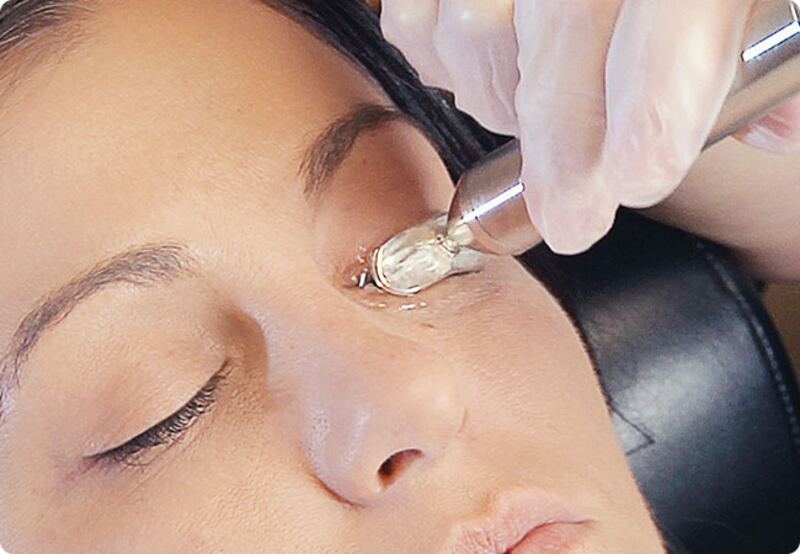
MiBoFlo provides continuous controlled heat applied to the eyelids using a specialized gel that transfers heat to the blocked meibomian glands. In a spa-like setting, a trained technician gently massages the eyelids with the wand to melt and release deep-rooted clogging. When the 20–30 minute treatment is finished, eyes that once felt sticky, gritty, and aggravated feel smooth as glass and comfortable.

Not only is MiBoFlo one of the most effective ways to address the root cause of dry eye, it is the only solution providing immediate results — with a 98% satisfaction rate for the relief of dry eye.

The MiBo Thermoflo supplies continuous controlled heat applied to the outer skin of the eyelids along with ultrasound gel for a gentle massage. The heat is absorbed deep into the tissue and breaks down the hardened lipids in the meibomian glands.

Learn More About MiBoFlo Thermal Treatment
OptiLight IPL Dry Eye Treatment

OptiLight IPL Dry Eye Treatment

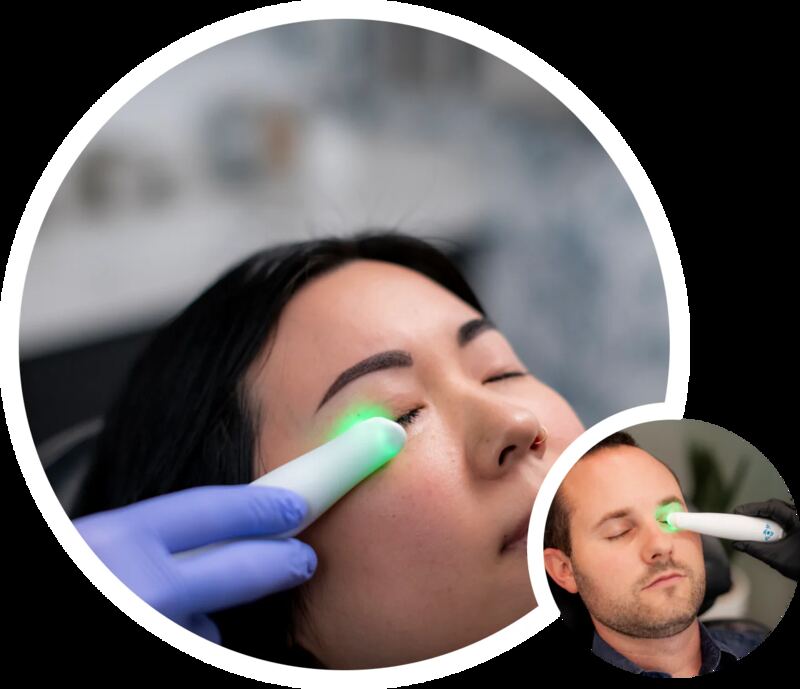
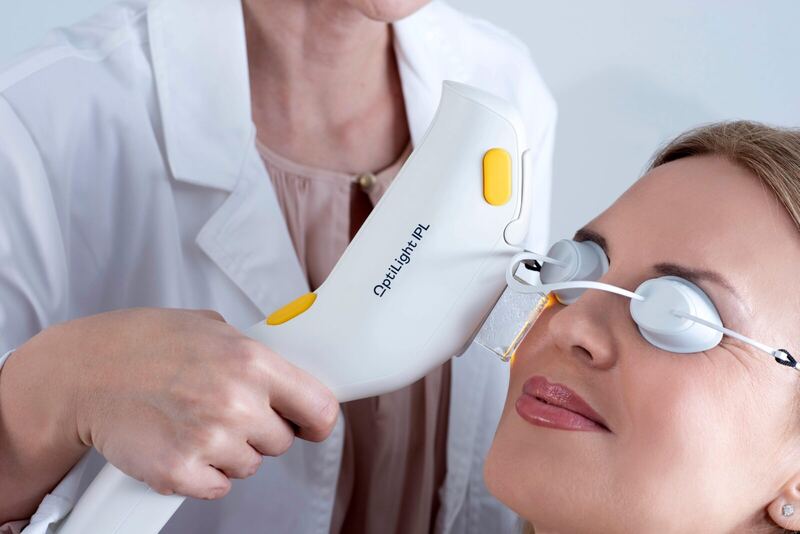
OptiLight is an intense pulsed light (IPL) therapy device approved by the FDA in 2021 for treating dry eye disease due to Meibomian Gland Dysfunction (MGD). It delivers gentle pulses of light to the skin around the eyes, reducing inflammation and improving tear film stability. OptiLight addresses MGD by restoring meibomian gland function and delaying tear film evaporation.

This light treatment technology is a drug-free, drop-free solution — the first and only IPL device FDA approved for the management of MGD and dry eye. The device uses Lumenis' patented Optimal Pulse Technology (OPT), allowing for a consistent, precise, and controlled light-based treatment of the signs of dry eye disease.

Learn More About OptiLight IPL Dry Eye Treatment
OptiLIFT Technology

OptiLIFT Technology

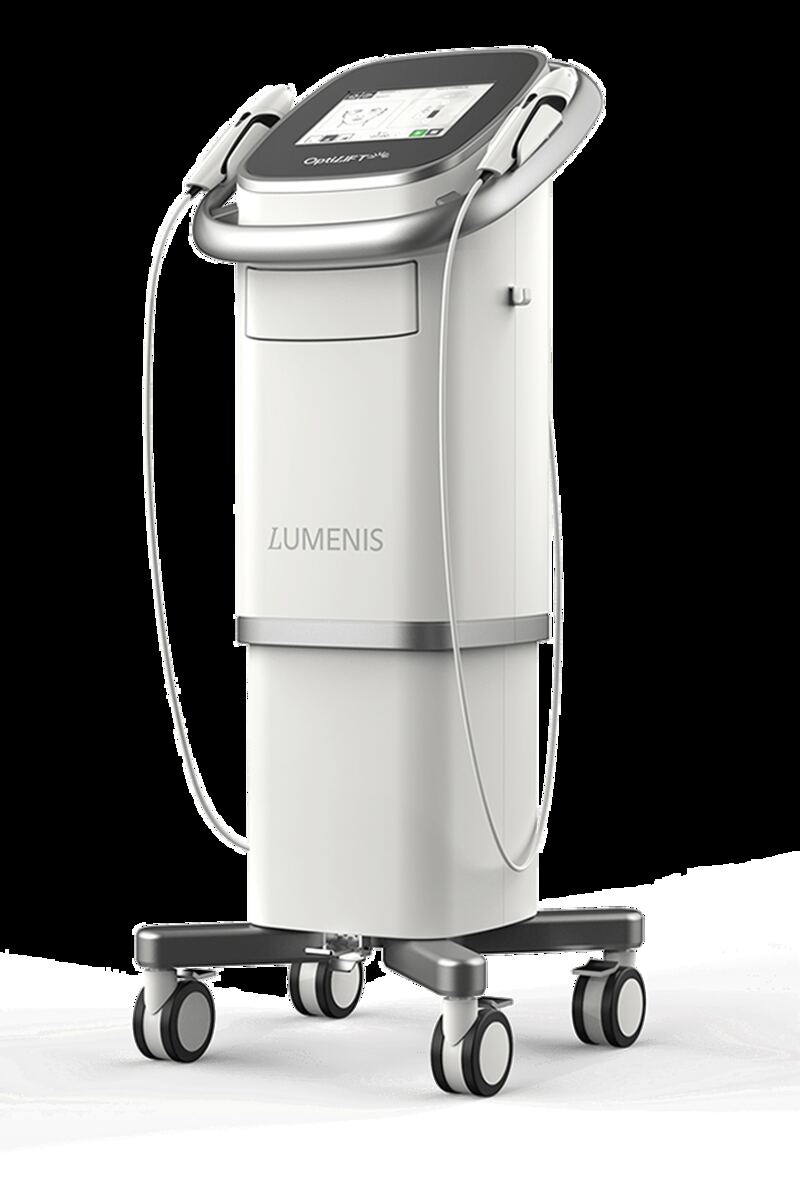
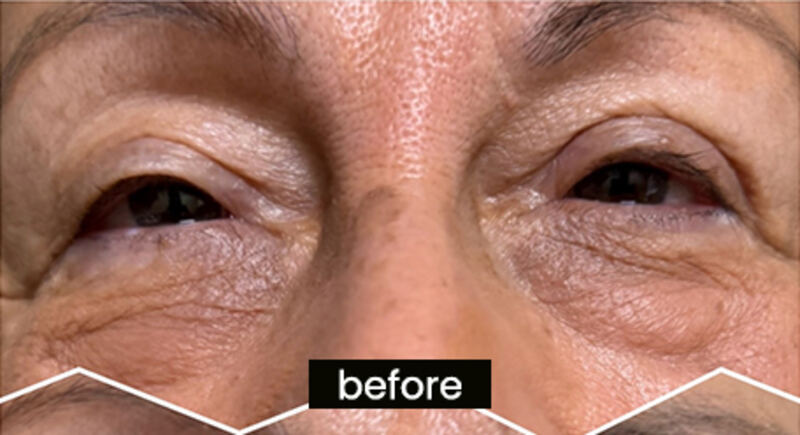
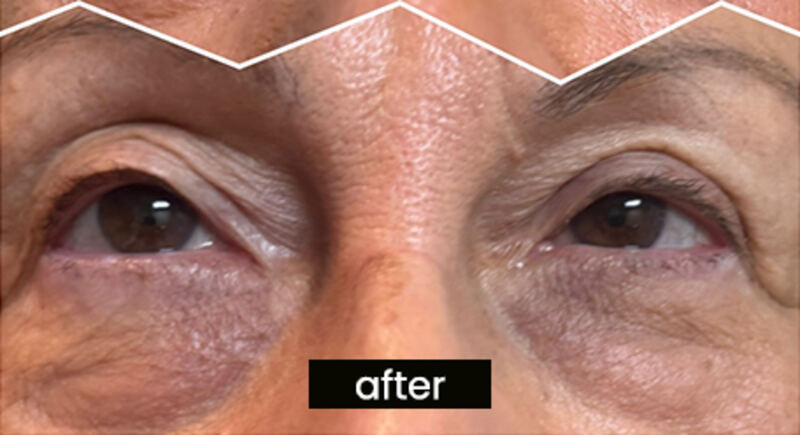
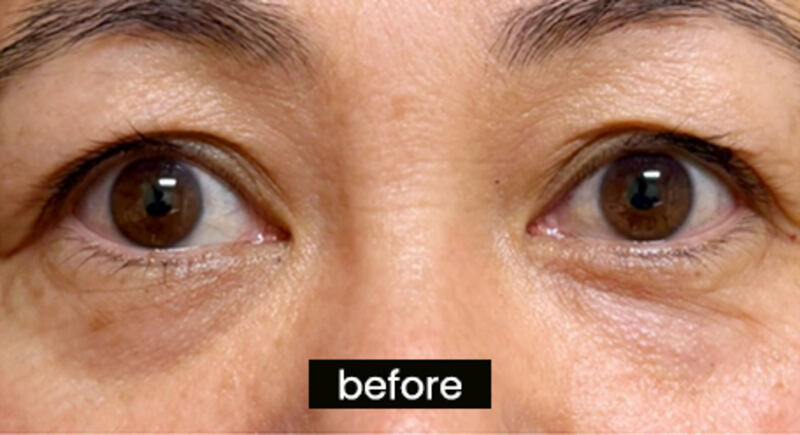
A non-surgical device to tone muscles and address droopy eyelids. Aging weakens periorbital muscles, often leading to eyelid laxity, reduced tone, and impaired blinking. OptiLIFT's Dynamic Muscle Stimulation (DMSt) activates muscle contractions, enhances tone, and addresses both the function and appearance of the lower eyelids.

OptiLIFT delivers impressive and visible outcomes in just four easy sessions. It restores the tightness and tone of the muscle and enhances blinking efficiency, offering a gentle, non-invasive approach for a lifted appearance.

Learn More About OptiLIFT Technology

Before & After

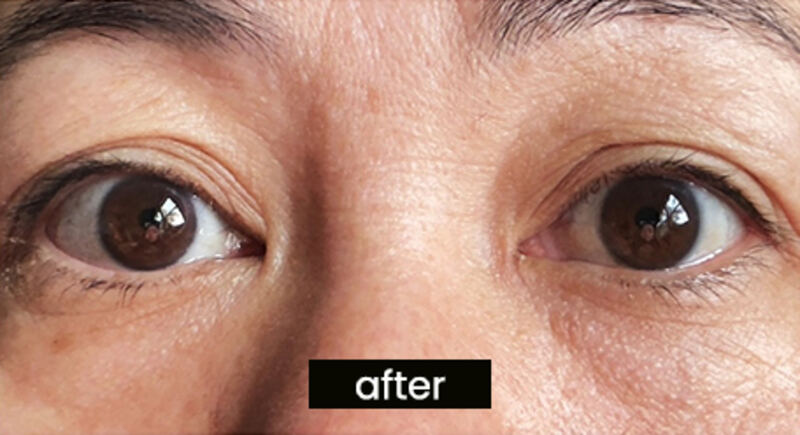
Before OptiLIFT — patient 1After OptiLIFT — patient 1
Before OptiLIFT — patient 2After OptiLIFT — patient 2

Common Questions

Frequently Asked Questions

What causes dry eye?

The causes are varied, but they all result in the tear film's inability to properly lubricate the eye. Risk may increase with age, hormonal changes, corneal or refractive surgery, contact lens wear, and medical conditions such as diabetes, rheumatoid arthritis, lupus, scleroderma, Sjögren's syndrome, thyroid disorders, and vitamin A deficiency.

How is dry eye diagnosed?

Our doctors perform a comprehensive examination, measuring the volume and quality of your tears and examining the surface of your eyes for dry spots or damage — identifying the underlying cause of your symptoms and recommending the right treatment, from over-the-counter drops and prescription medications to daily home therapy and advanced in-office procedures.

What dry eye treatments are available?

Dry eye is not one-size-fits-all. The right plan depends on whether symptoms come from insufficient tears, excessive evaporation, eyelid inflammation, MGD, or a combination of factors. Your doctor may recommend one or more of the following approaches after an examination.

Can IPL help dry eye caused by meibomian gland dysfunction?

OptiLight is an intense pulsed light (IPL) therapy device approved by the FDA in 2021 for treating dry eye disease due to Meibomian Gland Dysfunction (MGD). It delivers gentle pulses of light to the skin around the eyes, reducing inflammation and improving tear film stability.

What is OptiLIFT technology?

A non-surgical device to tone muscles and address droopy eyelids. Aging weakens periorbital muscles, often leading to eyelid laxity, reduced tone, and impaired blinking. OptiLIFT's Dynamic Muscle Stimulation (DMSt) activates muscle contractions, enhances tone, and addresses both the function and appearance of the lower eyelids.

Patient Stories

“I suffer from dry eyes and I came to get my exam here. Dr. Tran has all the new equipment that helped diagnose my severe dry eyes. It was super informative and I signed up to do the IPL treatment for my eyes. Staff is also the best, super nice. Highly recommend!”
— Brian
“I have suffered from chronic dry eyes for several years, using Xiidra eye drops twice a day and still suffering flare-ups. We discussed a dry eye treatment plan and I decided to try the OptiLight treatment. I am happy to say I no longer need the Xiidra drops, I started producing my own natural tears. I am no longer miserable.”
— Beatrice S.
“I have been suffering with ocular rosacea and severe dry eye for 2 years. I had been to numerous doctors and specialists and prescribed every drug on the market. Dr. Tran was so compassionate and really took her time to explain everything. I just completed my 5th IPL session today and my glands aren't clogged for the first time in 2 years.”
— Lisa P.

Find Lasting Relief

Call us for a consultation to determine the best solution for your dry eye condition.