
Our Services
Diabetic Eye Exams
Annual retinal screenings are your most powerful tool against diabetic retinopathy — the leading preventable cause of blindness in adults.
Request an Appointment
Diabetes Changes Your Eyes Silently
High blood sugar damages the tiny blood vessels that supply your retina. Over time, these vessels leak, swell, and eventually close — starving retinal tissue of oxygen. You may not notice any change until the damage is irreversible.
Up to half of people with diabetes have some degree of retinopathy — and most don't know it. A yearly dilated eye exam is the only way to see what's happening inside your retina and catch retinopathy while it's still treatable.
Who Needs This Exam
Anyone with Type 1 or Type 2 diabetes — regardless of how well-controlled. Annual exams are recommended immediately upon a Type 2 diagnosis.
Silent Progression
Early retinopathy is completely asymptomatic. When symptoms appear — floaters, blurred vision, dark spots — the disease has already progressed significantly.
The Good News
With early detection through routine annual exams, up to 95% of severe vision loss from diabetic retinopathy is preventable.
What Your Exam Includes
Dilated examination of the retina and optic nerve
Screening for microaneurysms, hemorrhages, and macular edema
Monitoring of retinopathy stage year over year
Co-management and reports shared with your primary care physician
Prompt referral for treatment when needed
Guidance on blood sugar, blood pressure, and eye health
Common Questions
Frequently Asked Questions
I see fine. Do I still need a diabetic eye exam?
Yes — early diabetic retinopathy has no symptoms. By the time vision changes, significant damage may already be done. Annual exams catch it early, when it's most treatable.
How often should I be examined?
At least once a year, or more frequently if retinopathy is detected. Your doctor will set the right interval for your situation.
Will my primary doctor be informed?
Yes — we send an exam report to your physician after every diabetic eye exam so your whole care team stays coordinated.
What health information should I bring?
Bring your medication list, the name of your diabetes clinician, and any recent blood sugar or A1C information you have. Also mention changes in vision, pregnancy, blood pressure, kidney disease, or prior diabetic eye treatment.
Can pregnancy change my diabetic eye exam schedule?
Pregnancy can affect diabetic retinopathy, so patients with pre-existing diabetes may need an eye evaluation before pregnancy or early in pregnancy and additional monitoring. Your eye doctor and prenatal care team can recommend timing based on your individual findings.
Request Your Annual Diabetic Exam
The exam takes less than an hour — and it could save your sight.
Explore More Care
All Services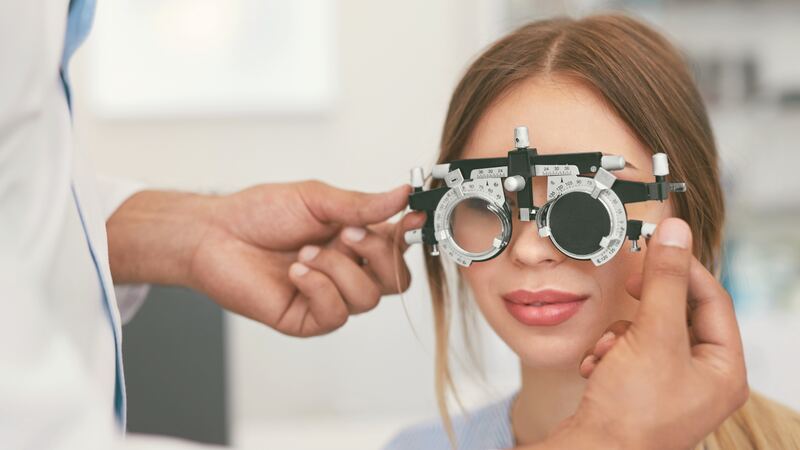
Comprehensive Eye Exams
More than just a prescription check — a full evaluation of your vision, eye health, and whole-body wellness.
Learn More
Contact Lens Exams
A precise contact lens fitting is more than matching your glasses prescription — we evaluate your corneal shape, tear film, and lifestyle to find the lens that performs best for your eyes.
Learn More
Red Eye Visits
Red, itchy, or discharge-filled eyes can mean several different things. We diagnose the cause accurately and prescribe the right treatment — so you feel better fast.
Learn More