Our Services
Pediatric Eye Exams
Children's eyes are still developing — and vision problems are a leading cause of learning difficulties. Early detection gives your child the best possible start.
Request an Appointment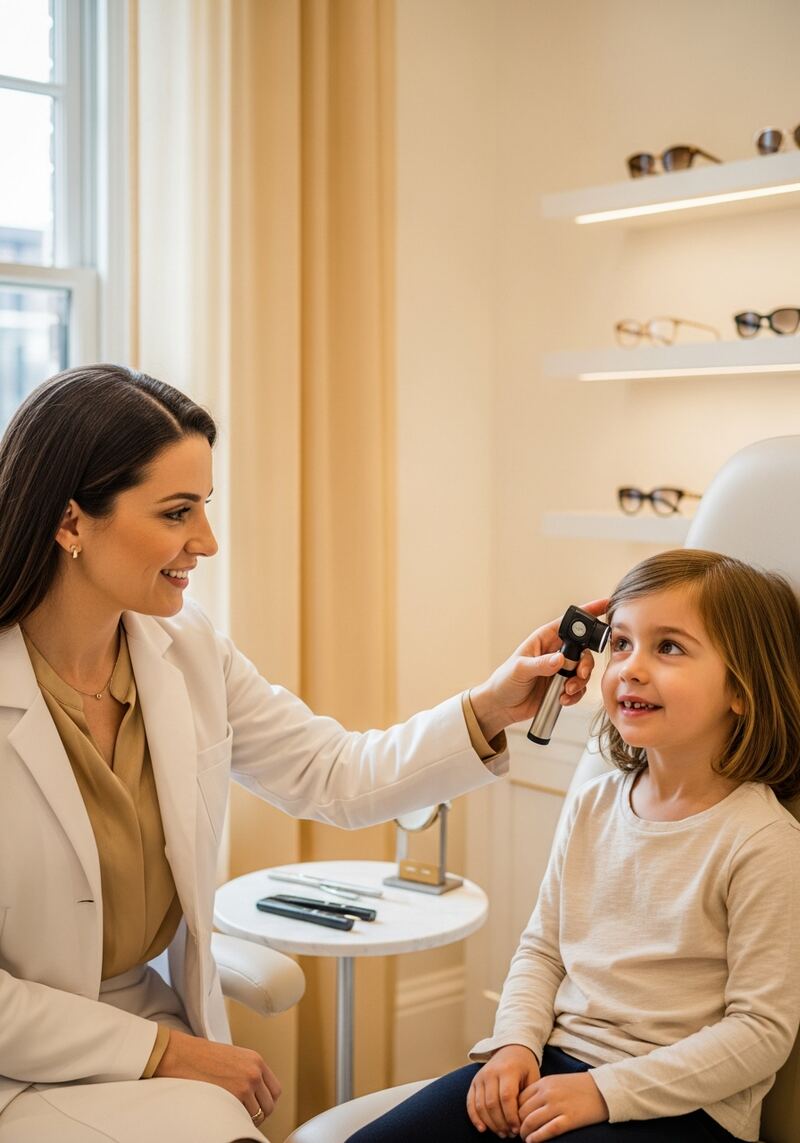
Give Your Child Clear Vision
One in four school-age children has a vision problem significant enough to affect their learning — and many don't know it. Children rarely complain about poor vision because they assume everyone sees the way they do.
Our doctors perform age-appropriate, kid-friendly exams designed to detect amblyopia (lazy eye), strabismus (eye turn), myopia, and other conditions that need early intervention.
Why Early Exams Matter
The brain's visual system is still developing through age 7–9. Vision problems caught in this window can be corrected; later, the same conditions become much harder to treat.
Signs to Watch For
Squinting, head tilting, sitting close to screens, rubbing eyes, avoiding reading, and headaches are all reasons to schedule an exam sooner rather than later.
Myopia in Children
Nearsightedness is progressing at epidemic rates among children. We offer proven strategies to slow its progression and protect long-term eye health.
How Pediatric Eye Care Works
First comprehensive exam recommended at age 3 — earlier if you notice signs
Child-friendly testing that doesn't require reading
Screening for amblyopia, strabismus, and refractive error
Binocular vision, eye tracking, and color vision assessment
Personalized treatment plans — glasses, patching, or myopia control
A gentle, patient team that makes kids feel at ease
Common Questions
Frequently Asked Questions
When should my child have their first eye exam?
We recommend a first comprehensive exam around age 3, before starting school, and every year afterward — or sooner if you notice an eye turn, squinting, or light sensitivity.
Isn't the school screening enough?
No — school screenings catch only a fraction of vision problems. A comprehensive exam evaluates eye health, focusing, tracking, and alignment, not just distance clarity.
My child can't read yet. Can you still test them?
Absolutely. We use picture charts and objective techniques that don't require reading or even verbal responses.
How can I prepare my child for the exam?
Explain that the doctor will look at their eyes and may use pictures, lights, or drops. Bring their current glasses, medication list, and any observations from parents or teachers about squinting, headaches, reading, or eye alignment.
Will my child's pupils need to be dilated?
Dilation may be recommended to examine eye health and measure focusing or prescription more accurately. The doctor will explain why it is useful; temporary light sensitivity and blurry near vision can occur afterward.
Request Your Child's Exam
Healthy vision supports learning and development. We make eye care gentle, thorough, and even fun.
Explore More Care
All Services
Comprehensive Eye Exams
More than just a prescription check — a full evaluation of your vision, eye health, and whole-body wellness.
Learn More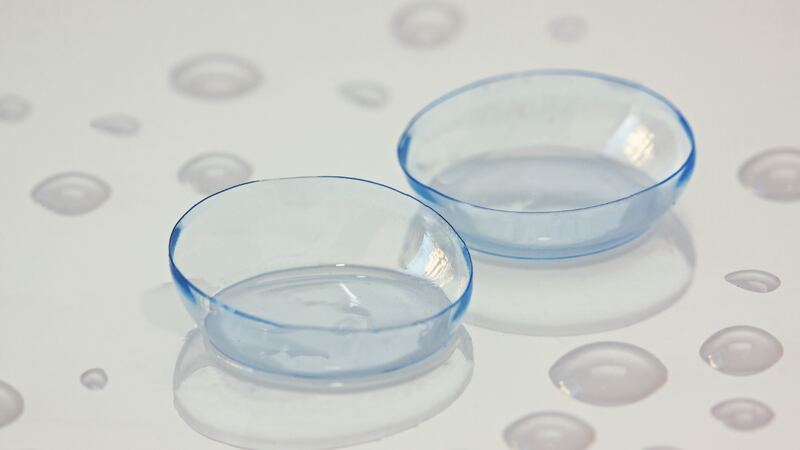
Contact Lens Exams
A precise contact lens fitting is more than matching your glasses prescription — we evaluate your corneal shape, tear film, and lifestyle to find the lens that performs best for your eyes.
Learn More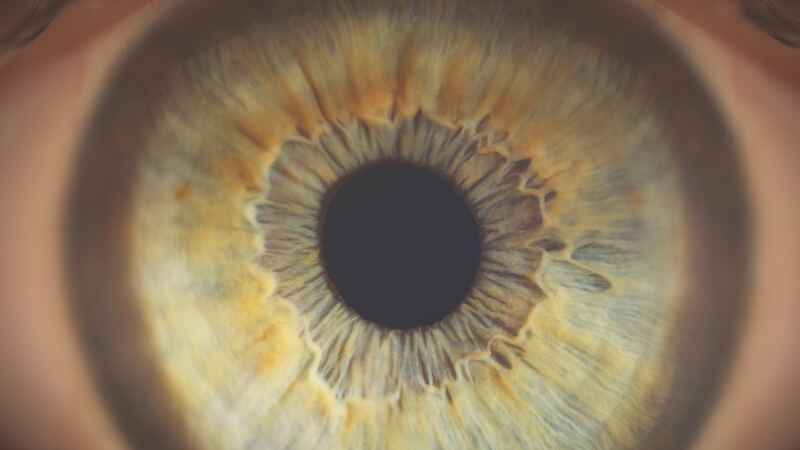
Red Eye Visits
Red, itchy, or discharge-filled eyes can mean several different things. We diagnose the cause accurately and prescribe the right treatment — so you feel better fast.
Learn More