Our Services
OptiLIFT Eyelid Lift
Lumenis' clinically validated, non-surgical treatment that tones the periorbital muscles to lift the lower eyelids and restore natural blinking — no surgery, no injections, no downtime.
Request a Consultation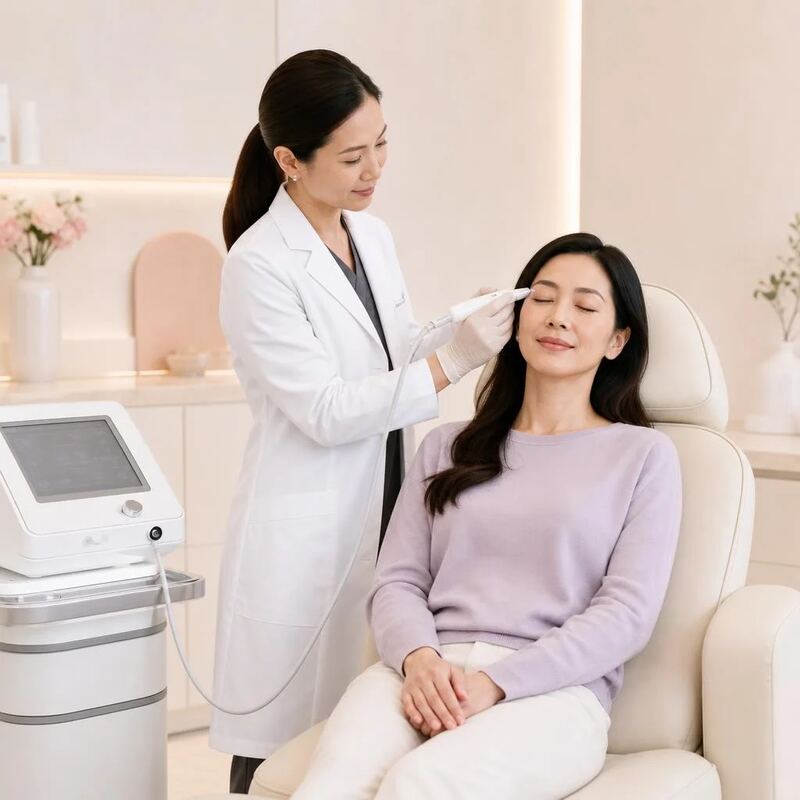
Lumenis Technology Recognition
Award Winner2025
Breakthrough
Advanced Eye & Aesthetic Care
Discover Whether
OptiLIFT Is Right for You
Learn how non-surgical muscle stimulation may improve lower-eyelid tone, blinking efficiency, and the appearance of the delicate area around your eyes.
Complimentary Consultation
Meet with our team for a personalized evaluation and treatment recommendation.
New Patient Offer
Request Your Complimentary
OptiLIFT Consultation
Submit a consultation request. Our office must confirm the date and time before an appointment is booked.
Disclaimer Policy
By submitting this form and signing up for texts and emails, you consent to receive marketing text messages, including promotions and reminders, from Inland Family Optometry at the number provided, including messages sent by autodialer. Consent is not a condition of purchase. Message and data rates may apply. Message frequency varies. Unsubscribe at any time by replying STOP or using an unsubscribe link where available. Review our Privacy Policy and Terms of Use.
*New patient promotion cannot be combined with other sales or promotions.
**Results may vary. Inland Family Optometry is committed to complete patient satisfaction for completed treatments; however, individual results vary. No treatment is promised to provide permanent results. A guarantee is neither provided nor implied.
OptiLIFT · DMSt Technology
Non-Surgical Eyelid Lifting
Aging weakens the periorbital muscles, leading to eyelid laxity, reduced tone, and impaired blinking. OptiLIFT's Dynamic Muscle Stimulation (DMSt) technology uses gentle electrical pulses to activate the periorbital muscles — restoring tone to address lower lid laxity and improve blinking, all without surgery.
Before & After
OptiLIFT delivers impressive, visible outcomes in just four sessions — restoring periorbital muscle tone, improving blinking efficiency, and creating a lifted appearance without surgery or downtime.
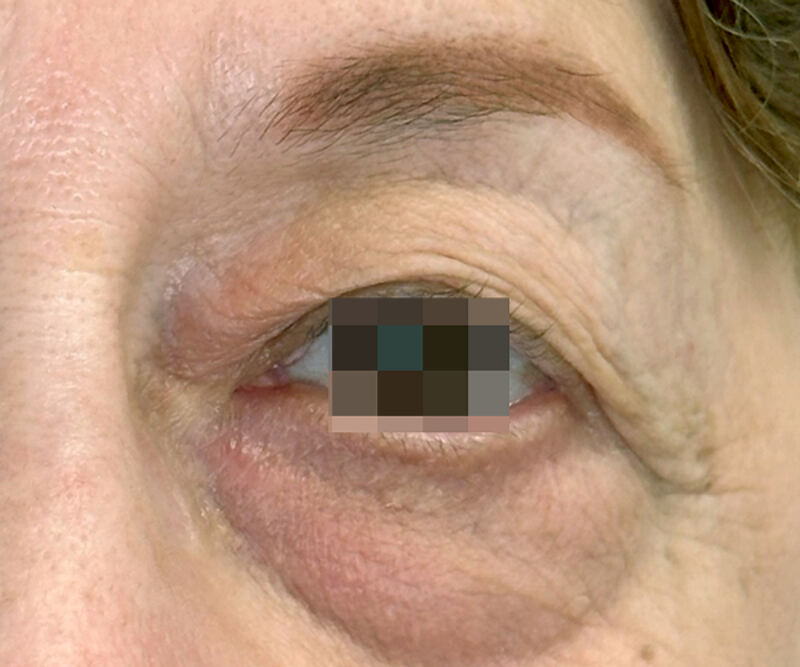
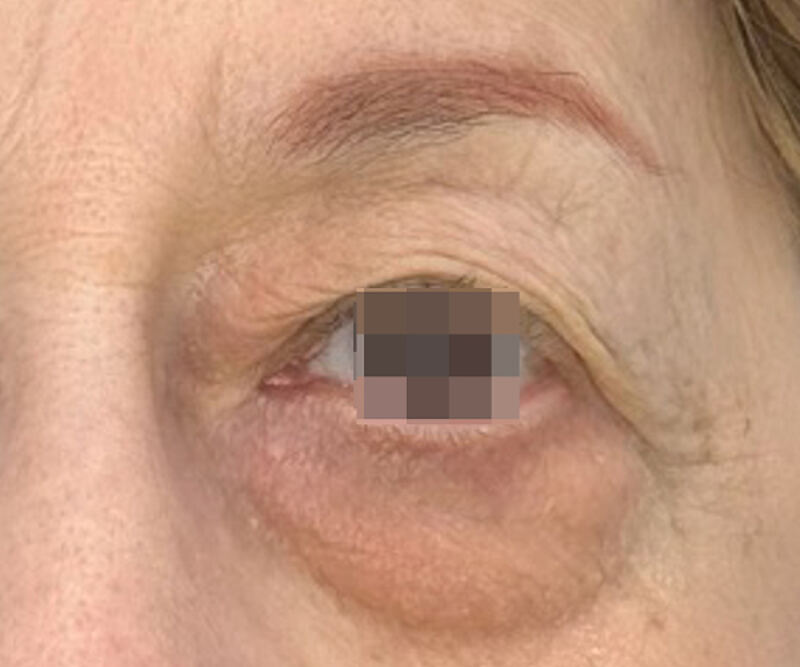
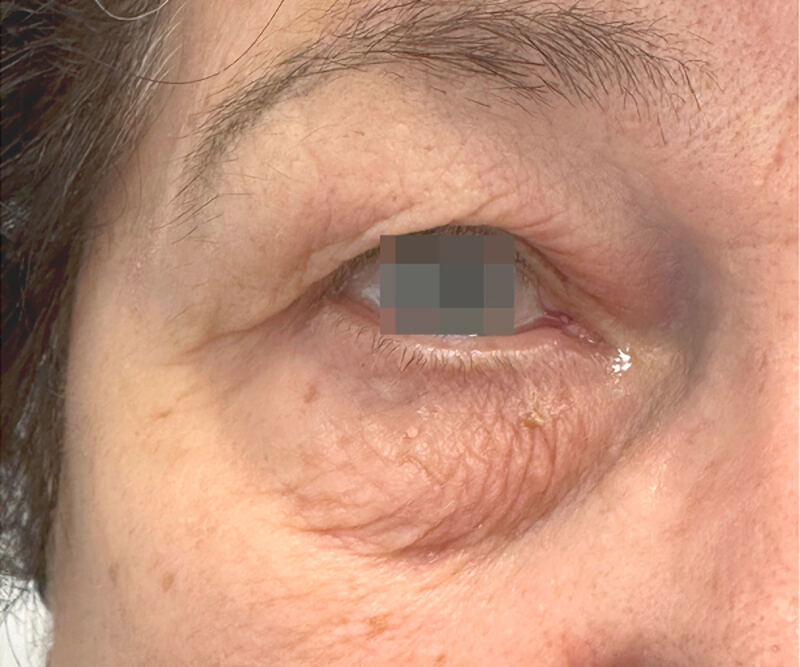
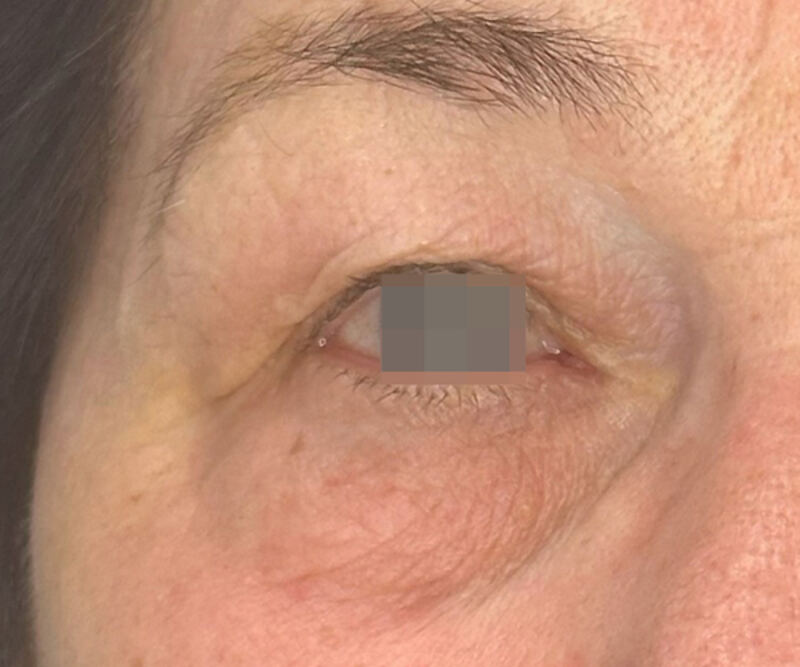
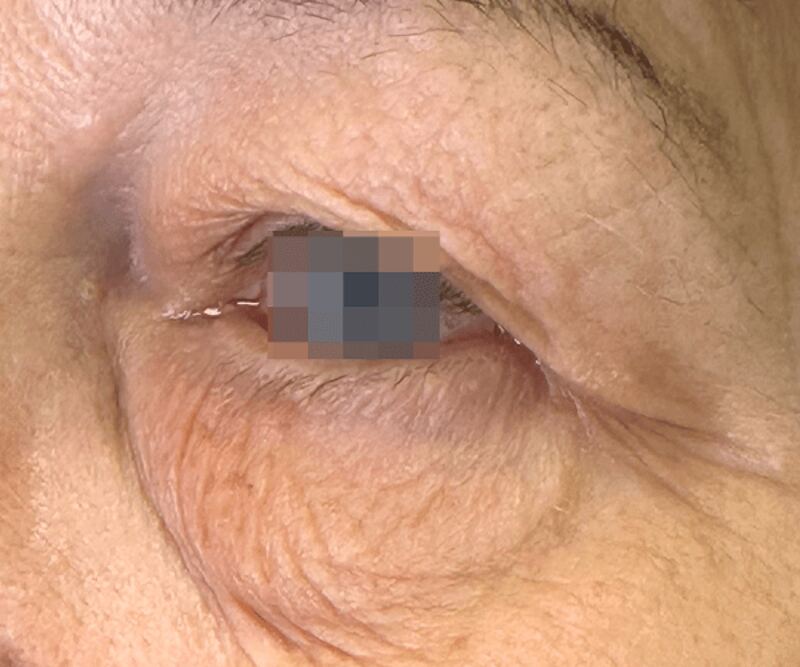
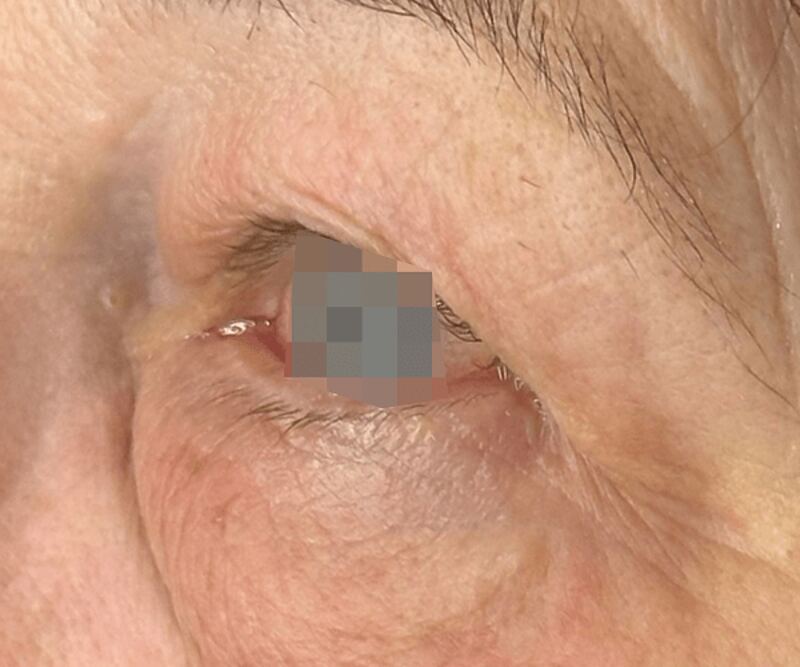
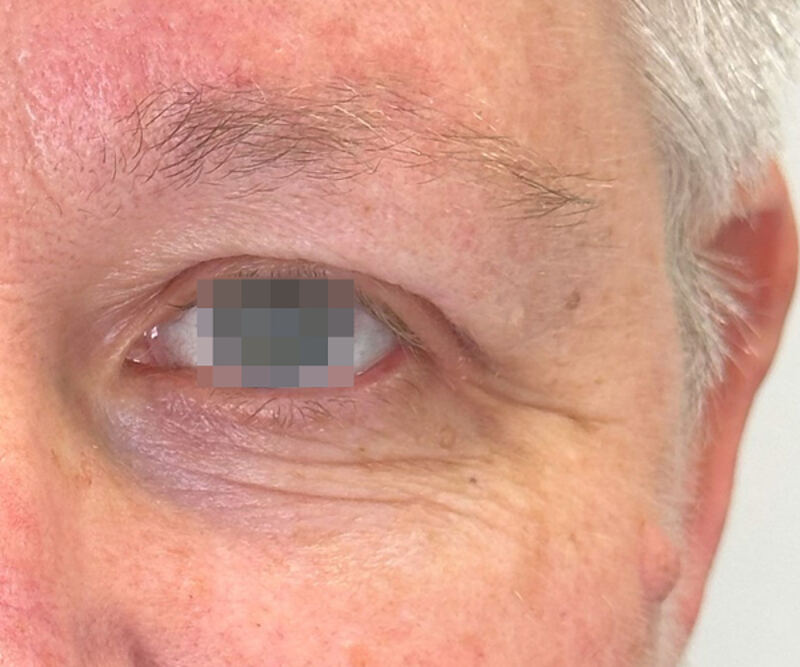
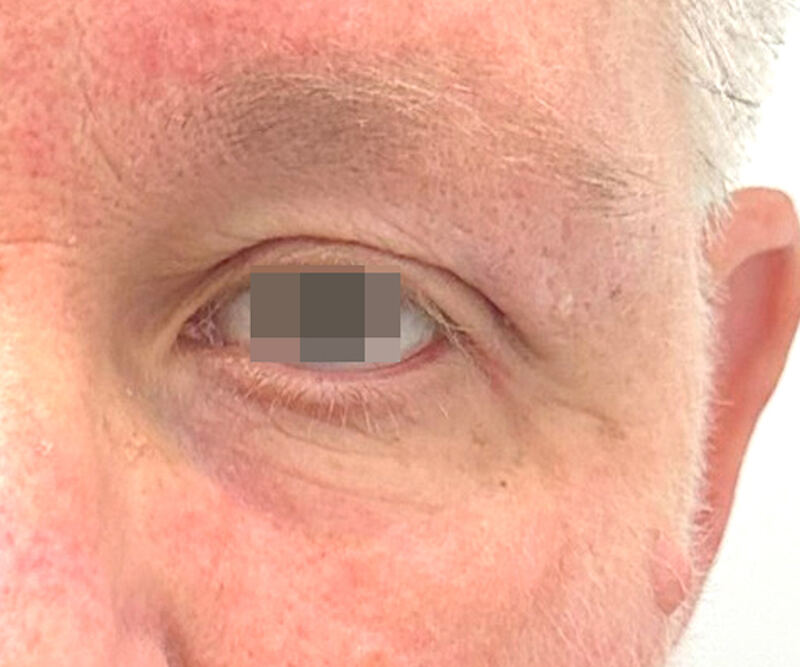
Images from Lumenis clinical documentation. Individual results may vary. A guarantee is neither provided nor implied.
A Different Approach
Why OptiLIFT Is Different
Address Lower Lid Laxity & Impaired Blinking
By strengthening the muscles in the periorbital area, OptiLIFT addresses the gravitational descent of the lower lids that can result in ineffective blinking.
Dynamic Muscle Stimulation Technology
Lumenis' proprietary DMSt uses gentle electrical pulses to trigger nerve signals, activating facial muscles and inducing contractions to restore tone and function.
Designed for the Periorbital Area
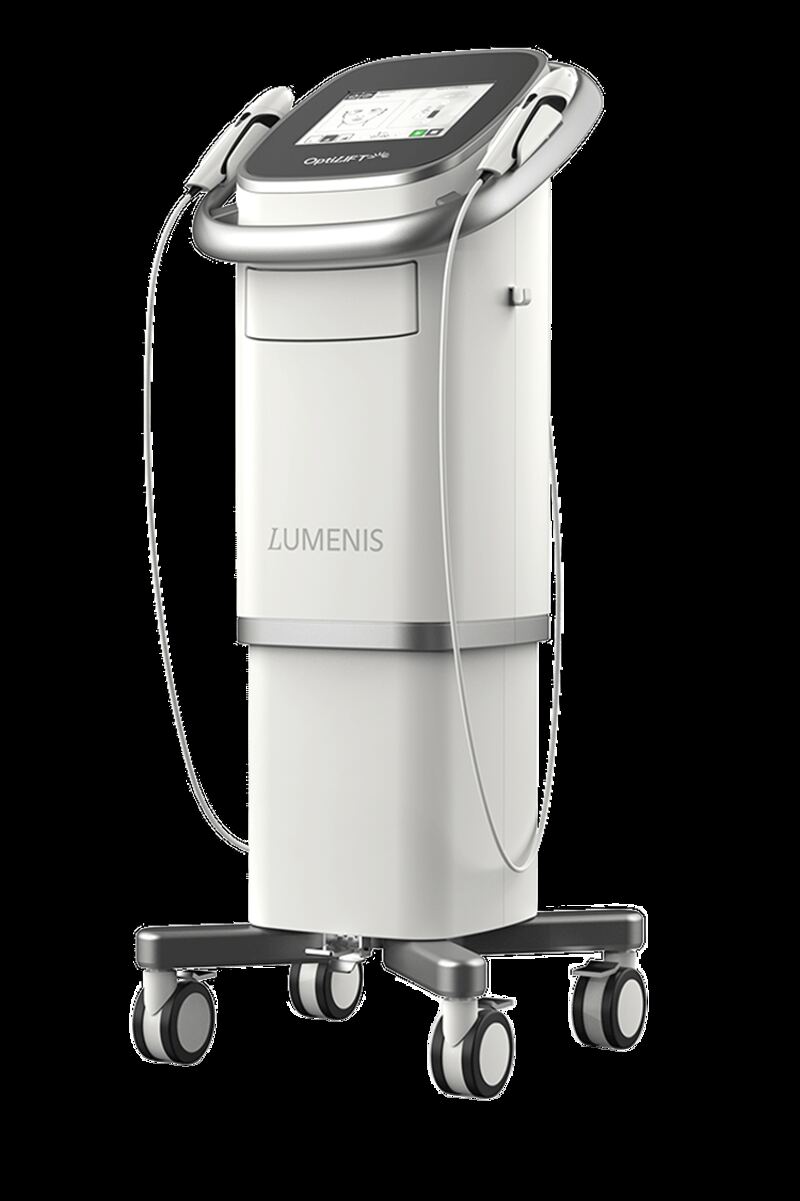
The OptiLIFT applicator features predefined presets purpose-built for the delicate facial contours around the eye — no improvised adaptations.
Clinically Validated
OptiLIFT is safe and clinically validated to address impaired blinking and lower lid laxity, with peer-reviewed data published in Clinical Ophthalmology.
Tone & Tighten Periorbital Muscles
OptiLIFT stimulates the muscles to tone and tighten the periorbital area, targeting the natural sagging and laxity that come with aging.
The Power of OptiLIFT Technology
Three Modalities. One Device.
DMSt
Dynamic Muscle Stimulation
Targeted electrical pulses trigger nerve signals that activate the periorbital muscles, inducing controlled contractions that restore tone and lift the lower eyelid — without surgery.
RF
Radio Frequency Energy
Precise thermal energy is delivered to the skin layers beneath the treatment area, stimulating collagen and elastin production for a tighter, smoother periocular texture.
Optional
Microneedling Upgrade
An optional add-on using RF thermal energy to trigger wound-healing pathways, resurfacing and regenerating skin around the eyes for improved texture and firmness.
Clinically Proven
Results You Can Measure
286%
Improvement in tear breakup time (TBUT)
2.4 sec → 9.1 sec
70%
Improvement in blinking rate and quality
Restored eyelid mechanics
75%+
Decrease in lower lid laxity
LLDT test: 3% → 80% normal
78%
Decrease in meibomian gland dysfunction score
MMGS: 31.2 → 6.8
Chelnis JG, Chelnis A. Dynamic Muscle Stimulation of the Periorbital Area for Improvement of Blinking in Dry Eye Patients. Clin Ophthalmol. 2025;19:1057–1071.
Important OptiLIFT Treatment Information
OptiLIFT is intended for use by a licensed healthcare practitioner. Its applicators are intended for muscle conditioning, non-invasive radio frequency procedures, and—when the appropriate optional applicator is used—dermatological ablation and resurfacing. OptiLIFT is not intended to diagnose, treat, or cure a medical disease. Your doctor will determine whether the treatment is appropriate for your goals and health history.
Common Questions
Frequently Asked Questions
What is OptiLIFT?
OptiLIFT is a non-surgical treatment by Lumenis that uses Dynamic Muscle Stimulation (DMSt) technology to activate and tone the periorbital muscles — lifting the lower eyelids, improving blinking, and restoring a more refreshed appearance without surgery, injections, or downtime.
Is OptiLIFT painful?
No. Most patients feel a gentle tingling or pulsing sensation as the muscles around the eyes are stimulated. The treatment is designed specifically for the delicate periorbital area and is well tolerated.
How many sessions do I need?
OptiLIFT delivers visible outcomes in just four sessions, typically spaced about a week or two apart. Your doctor will design a personalized plan at your consultation.
Is there any downtime?
None. OptiLIFT is a quick, in-office procedure — you can return to your normal activities immediately after each session.
How does OptiLIFT help dry eye?
Weak periorbital muscles and lower lid laxity lead to incomplete blinking, which prevents tears from spreading properly across the eye. By restoring muscle tone and blinking efficiency, OptiLIFT helps stabilize the tear film and relieve dry eye symptoms.
Who is a good candidate?
Adults experiencing lower eyelid drooping or laxity, incomplete or inefficient blinking, or dry eye symptoms related to poor eyelid function. OptiLIFT is compatible with all skin types. A consultation will determine if it's right for you.
What happens during an OptiLIFT appointment?
Your provider will assess the area around your eyes and position the treatment applicators for targeted muscle stimulation. You may feel gentle pulsing as the settings are adjusted to your comfort; your care team can explain the process and answer questions before treatment begins.
Are there conditions or devices I should mention before OptiLIFT?
Yes. Tell your provider about your eye and medical history, prior procedures, current symptoms, medications, and any implanted electronic or metal devices. A clinical screening is needed to determine whether OptiLIFT is appropriate for you or whether treatment should be postponed or avoided.
Lift Without Surgery
OptiLIFT is clinically validated to tone and lift the periorbital muscles in four sessions. Request a consultation to see if you're a candidate.