
When dryness stops being an occasional thing and starts showing up day after day, we call it chronic dry eye. It's a persistent issue that can cause significant discomfort and even affect your vision if it isn't treated. Anyone can develop it, but it's more common among older adults.
Understanding Chronic Dry Eye
Chronic dry eye has many possible causes and symptoms, and it can be triggered by everything from aging and certain medical conditions to your environment.
Common causes include the natural aging process, side effects from medications like antihistamines, and medical conditions such as rheumatoid arthritis, diabetes, and thyroid problems. Environmental factors like wind, dry air, and smoke can bring it on too. So can long hours of screen time, because staring at a screen reduces blinking and, with it, tear production.
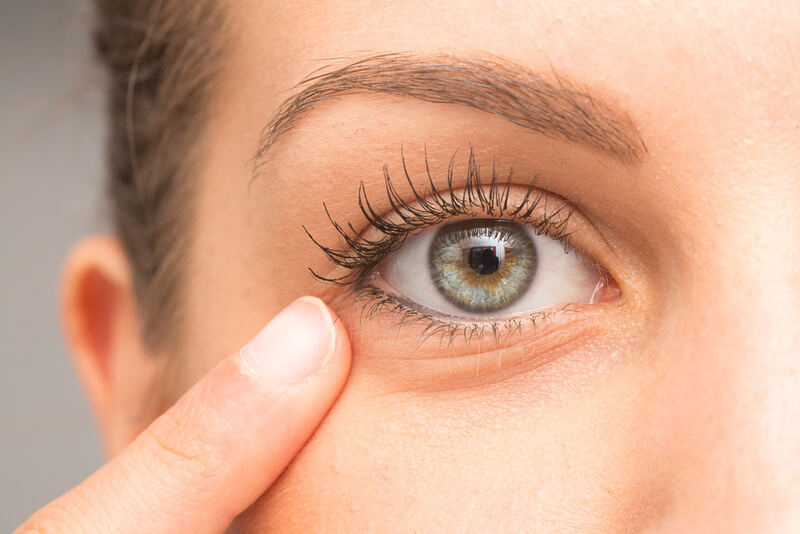
Symptoms vary from person to person. They often include a stinging, burning, or scratchy feeling in the eyes, sensitivity to light, redness and inflammation, blurred vision, and the sense that something is in your eye. Ironically, chronic dry eye can sometimes cause watery eyes, because the eye responds to the irritation by producing too many tears.
Meibomian Gland Dysfunction and Chronic Dry Eye
One of the most common causes of chronic dry eye is a condition called meibomian gland dysfunction (MGD). The meibomian glands are tiny oil glands in your eyelids that help keep your eyes lubricated. When they don't work properly, the quality and quantity of the oils in your tears drop, and dry eyes follow.
MGD is a leading cause of evaporative dry eye, a type of chronic dry eye where tears evaporate too quickly because they don't have enough oil. Once the oil layer of the tear film is compromised, tears disappear faster and dry eye symptoms set in.
Traditional Treatments for Chronic Dry Eye
Chronic dry eye treatment has traditionally focused on relieving symptoms and improving comfort. That usually means over-the-counter artificial tears, prescription eye drops, warm compresses, and eyelid cleaning.
Artificial tears can give you temporary relief, but they don't address the underlying cause. Prescription eye drops can help increase tear production or reduce inflammation. Warm compresses and eyelid cleaning can help manage conditions like MGD that contribute to dry eyes.
Advanced Treatments for Chronic Dry Eye
In recent years, advanced treatments for chronic dry eye have come along, and they offer new hope for people living with this condition. These treatments aim to address the root cause of the problem instead of only easing the symptoms.
One of them is Intense Pulsed Light (IPL) therapy. IPL was originally developed for dermatology, and now it's also used to treat MGD and chronic dry eye. It works by applying pulses of light to the eyelid area, which helps break up blockages in the meibomian glands and restore normal function.
Another is LipiFlow, a thermal pulsation system that applies controlled heat and pressure to the eyelids to unblock the meibomian glands. This treatment can provide long-term relief from dry eye symptoms.
When to Consult an Optometrist for Chronic Dry Eye
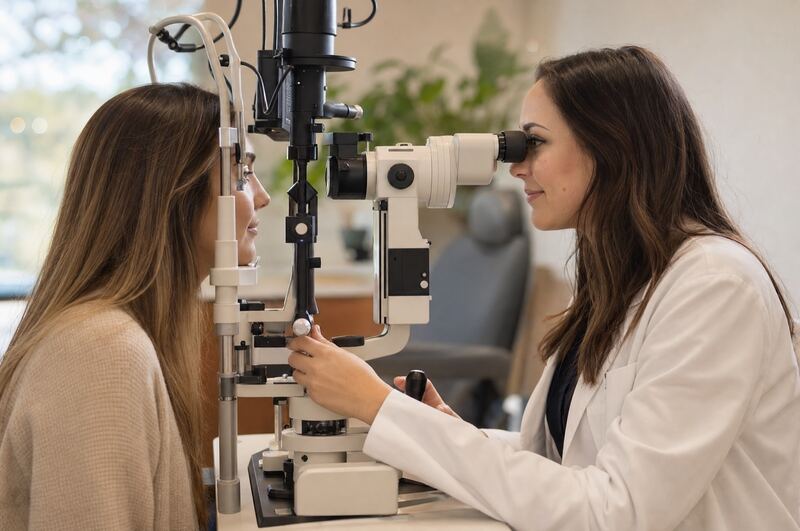
If your dry eye symptoms keep hanging around, please come see an optometrist. These symptoms shouldn't be ignored, since they can point to a more serious underlying condition and may lead to complications if left untreated.
It's especially important to get professional help if your symptoms continue even with over-the-counter remedies, or if they're getting in the way of your daily activities. An optometrist can do a thorough evaluation and create a personalized treatment plan for your specific needs.
Finding Relief for Chronic Dry Eye
Chronic dry eye is common, but it's often misunderstood. Traditional treatments can bring temporary relief, while advanced treatments offer new hope for long-term management. Your optometrist is a big part of diagnosing and treating this condition, so if your dry eye symptoms are persistent, that's who you should call.
For more information on advanced treatments for chronic dry eye, contact Inland Family Optometry at our office in Chino, California. Call (909) 628-1226 to talk about dry eye treatments or schedule an appointment today.
Ready to schedule your visit?