Dry Eye
Why Treating Meibomian Gland Obstruction Is Critical for Long-Term Dry Eye Relief
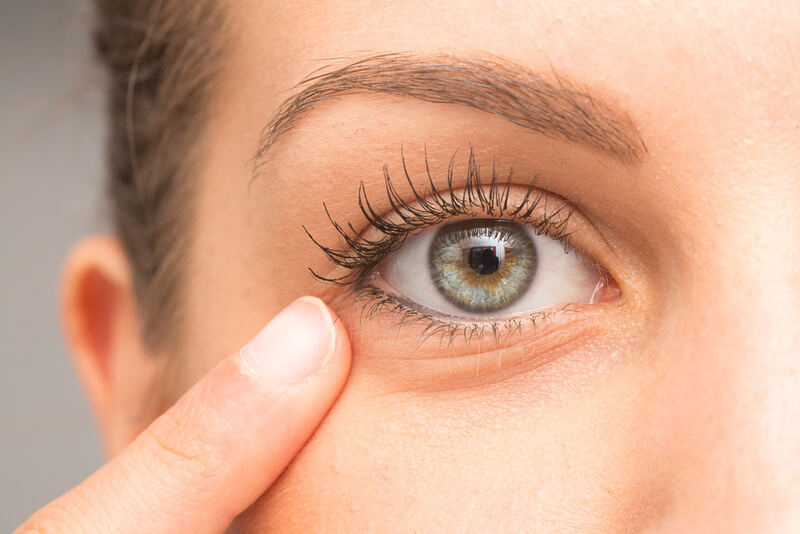
A lot of dry eye isn't really about a lack of tears. For many of our patients, the discomfort that just won't go away is tied to meibomian gland obstruction (you'll also hear it called meibomian gland dysfunction, or MGD). These are tiny glands that sit along your eyelids, and they make the oil layer of your tear film. That oil is what keeps your tears from evaporating too fast.
When those glands get clogged, your eyes can feel dry, gritty, watery, irritated, or tired, even if you're using artificial tears. That's why we like to treat the blockage itself. It's one of the most common reasons the tear film becomes unstable, so going after it directly is a big part of getting long-term relief.
What Happens When Meibomian Glands Are Blocked
Healthy meibomian glands release a clear oil, and every time you blink it spreads across the front of your eye. It's a little bit like a protective coat for the watery layer of your tears, and it keeps the surface of your eye comfortable.
Once the glands are blocked, that oil can turn thick or just sit there. Over time this can lead to inflammation, tears that evaporate faster, and dry eye symptoms that keep getting worse. And if it isn't treated, the glands may not work as well as they used to... which makes dry eye harder to manage down the road.
Why Eye Drops May Not Be Enough
Artificial tears can calm dryness for a while, but they don't always fix what's actually going on. If blocked meibomian glands are the cause, what we really want is better oil flow and less inflammation around the eyelids.
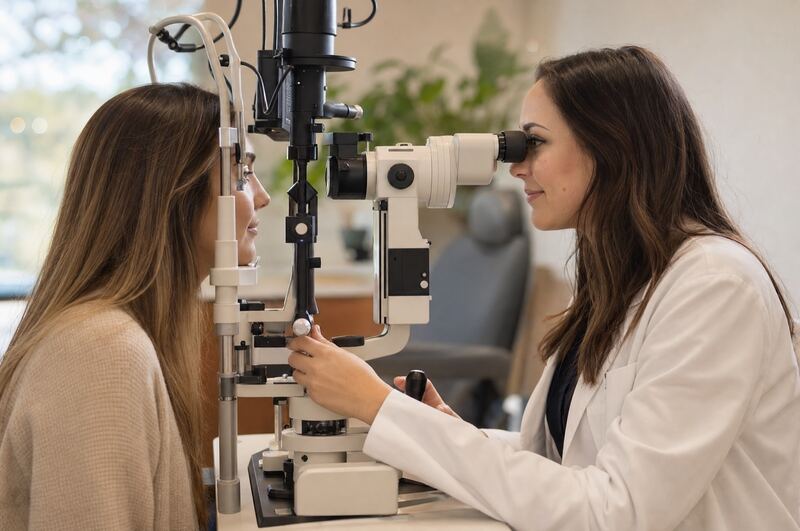
This is why we recommend an in-office dry eye evaluation. Once we know what's causing your symptoms, our team can suggest treatment that goes past short-term relief and helps your tears work the way they should.
Signs You May Have Meibomian Gland Dysfunction
Meibomian gland obstruction can cause symptoms that come and go, or that creep up slowly until you can't ignore them. Here are the signs we see most often:
- Burning, stinging, or gritty eyes
- Watery eyes caused by tear film imbalance
- Redness or irritation around the eyelids
- Blurry vision that improves after blinking
- Contact lens discomfort
- Symptoms that get worse with screen use, reading, wind, or dry environments
In-Office Treatment Can Support Long-Term Relief
At Inland Family Optometry, dry eye treatment may include advanced options that go after meibomian gland dysfunction and inflammation. One is OptiLight IPL therapy. It uses gentle pulses of light around the eyes to help calm inflammation and support better gland function. Another is NuLIDS PRO, which may help stimulate the eyelid glands, improve oil flow, and support your daily dry eye care.
When we treat the glands directly, patients may notice steadier tears, less irritation, and fewer flare-ups that keep coming back. The right plan for you depends on how blocked the glands are, your symptoms, your overall eye health, and how you live day to day.
Protecting Your Glands Helps Protect Your Comfort
Your meibomian glands have a lot to do with how comfortable your eyes feel over the years. If a blockage gets ignored, dry eye can stick around longer and get harder to control. Treating it early can help keep the glands working, improve the quality of your tears, and cut down on how much you have to lean on lubricating drops alone.
Want to know if meibomian gland obstruction is behind your symptoms? Schedule a dry eye evaluation with Inland Family Optometry. Visit our office in Chino, California, or call (909) 628-1226 to book an appointment today. We'd love to see you!
Ready to schedule your visit?