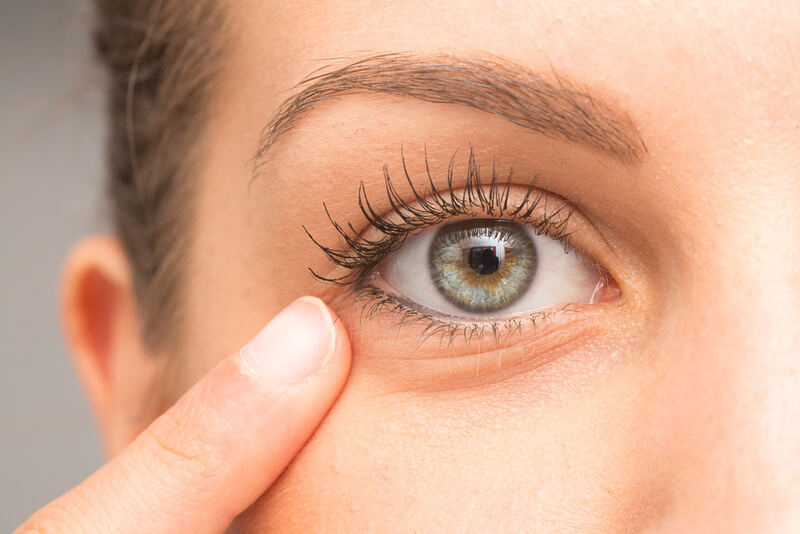

Most people think of dry eye as a small annoyance. A little burning, some redness, watery eyes, or that gritty feeling like there's sand in there. But when your tear film stays unstable for a long time, the surface of your eye can get inflamed and become more vulnerable to damage. Chronic dry eye can also blur your vision and get in the way of everyday things like reading, driving, and time on your screens.
Dry Eye Can Affect the Surface of the Eye
Your tears do a lot more than keep your eyes comfortable. They protect and nourish the cornea, which is the clear front surface of your eye. When your tears aren't good enough in quality, or you aren't making enough of them, your eye can't stay properly lubricated. Over time that irritation goes past discomfort and starts to affect the health of the ocular surface. In more advanced cases, chronic dryness may contribute to corneal damage and scarring if it isn't properly managed.
Why Symptoms Are Sometimes Misleading
Part of the reason dry eye gets overlooked is that the symptoms come and go. Some of our patients are surprised to hear that their watery eyes are actually a dry eye problem! Irritated eyes can reflex tear, so you end up with plenty of tears that are still poor quality and not doing their job. Dry eye can also be linked to meibomian gland dysfunction, screen use, medications, age, and certain health conditions. That's why we need to find the underlying cause first, so treatment actually has a chance to work.
Long-Term Complications Patients Should Know
Dry eye looks different for everyone. Still, when it's ongoing or left untreated, longer-term problems can show up, such as:
- Chronic inflammation of the eye surface
- Fluctuating or blurred vision
- Increased sensitivity to light
- Greater risk of corneal injury
- Higher risk of infection or corneal ulcer in severe cases
- Ongoing discomfort that affects work, driving, and daily routines
Personalized Treatment Can Help Protect Long-Term Eye Health
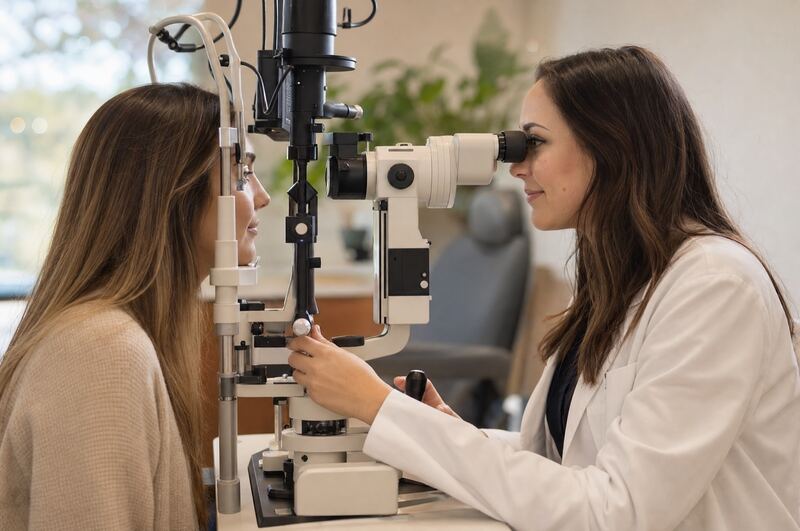
Here's what we want you to know: dry eye can often be managed really well when it's caught early. At Inland Family Optometry, we look at your tear quality, how many tears you're producing, and where the irritation is actually coming from, so your treatment fits you. Depending on what we find, that may include home care, prescription support, or advanced in-office care such as NuLids Pro, MiBoFlo, and OptiLight for dry eye related to meibomian gland dysfunction.
Protect your eye health with expert dry eye care at Inland Family Optometry. Visit our office in Rancho Cucamonga, California, or call (909) 987-4919 to book an appointment today.
Ready to schedule your visit?