Picture this: it's mid-afternoon, and your contacts suddenly feel like sandpaper. If you wear contact lenses, you probably know how frustrating dry eye can be. The constant irritation, the redness, that feeling like something's stuck in your eye... it can make everyday things a real challenge. Dry eye syndrome is a common issue for contact lens wearers, and understanding what's causing it is the first part of finding something that actually works.
The main reason contact lens wearers get dry eyes is that lenses can interfere with the natural tear film that covers the surface of your eye. That tear film keeps your eyes lubricated and comfortable, and contacts can throw off that delicate balance. The materials your lenses are made of, and the way they fit on your eye, can also add to dry eye symptoms.
Common Challenges Faced by Contact Lens Wearers with Dry Eyes
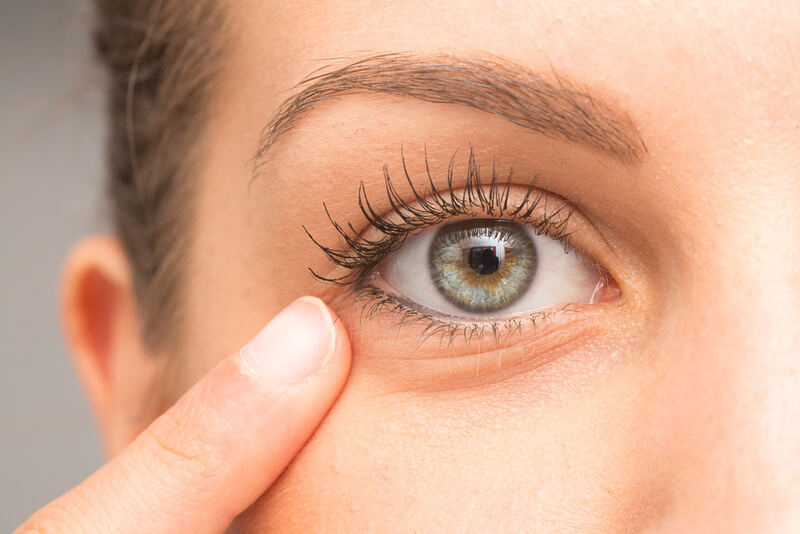
Here's what we hear about most from contact lens wearers with dry eye. First there's the persistent irritation, a constant dry, itchy, burning feeling that makes it hard to focus on your day. Many people also find they have to take their lenses out earlier than planned, which cuts down on how long they can comfortably wear them.
Dry eyes can blur your vision too, so reading, driving, or working on a computer gets harder. In severe cases, they can lead to a feeling of something foreign in the eye, along with more sensitivity to light and wind. And dry eyes can make you more susceptible to bacterial or fungal infections, which can be dangerous if they're left untreated.
Strategies for Finding Relief from Dry Eye Discomfort
Thankfully, there are several things you can try to feel better as a contact lens wearer:
- Adjust your wearing schedule. Wear your contacts for fewer hours each day, or take regular breaks so your eyes get a chance to rest and recover.
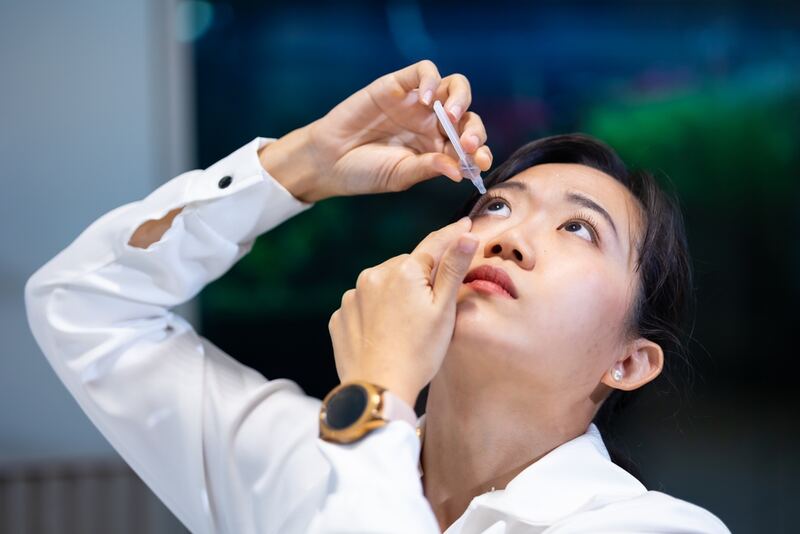
- Use preservative-free eye drops. They can help replenish your tear film and give you temporary relief from dry eye symptoms.
- Add omega-3 fatty acids. Supplements with omega-3s, like fish oil, can help improve the quality of your tear film and reduce inflammation.
- Try warm compresses and lid massages. A warm compress over your eyes plus a gentle eyelid massage can help stimulate your natural tears.
- Adjust your environment. Try to avoid low-humidity spots like air-conditioned rooms or dry climates, since they can make dry eye symptoms worse.
The Benefits of Daily Contact Lenses for Individuals with Dry Eyes
If you have dry eyes and wear contacts, daily disposable lenses can make a big difference. You wear them for a single day and then throw them away. Daily disposables don't get the same level of protein and lipid buildup as reusable lenses, and that buildup can add to dry eye discomfort. Many daily lenses are also made from materials that let more oxygen reach the cornea, which helps keep the surface of your eye healthier.
And since you only use them once, daily disposables lower your risk of bacterial or fungal infections, which can be a concern when you have dry eyes.
Consulting Your Optometrist for Dry Eye Management
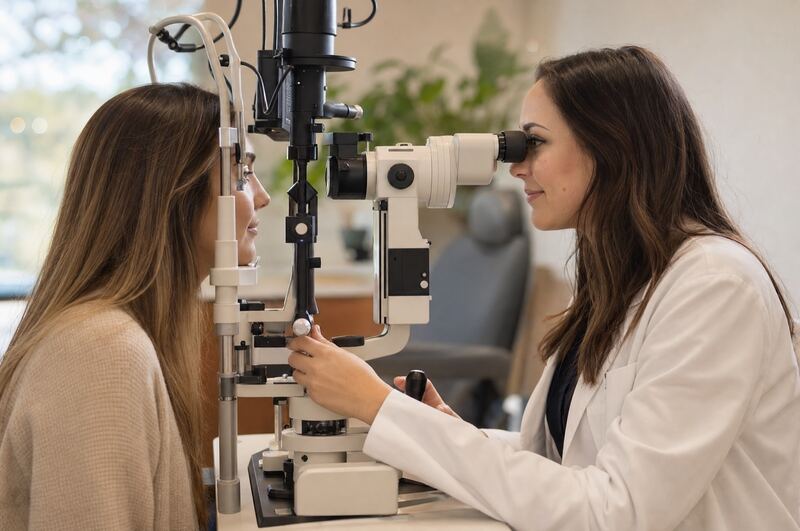
These tips can bring some relief, but the best results usually come from working closely with your optometrist on a complete dry eye plan. Your optometrist can do a thorough exam, figure out what's behind your discomfort, and recommend the treatment options that make the most sense for you.
It starts with an accurate diagnosis. Specialized tests and exams help us pinpoint the root cause, whether that's tear film quality, gland dysfunction, or something else. From there, we build a personalized treatment plan based on your needs and how severe your dry eye is, and it may combine more than one therapy. We keep a close watch on your progress and make adjustments along the way to get you the best results. Optometrists may also have access to the latest dry eye treatments, including prescription eye drops, in-office procedures, and specialized contact lenses like scleral lenses.
Taking Control of Your Dry Eye Discomfort as a Contact Lens Wearer
Dry eye can be a real challenge when you wear contacts, but with the right strategies and support from your optometrist, you can take control and find lasting relief. Once you understand what's causing it, look at your treatment options, and make a few changes to your lens habits, you can get your eye health back on track and enjoy wearing contacts comfortably again.
Dry eye doesn't have to come between you and the freedom and convenience of contacts. Schedule an appointment with our optometrist today, and we'll put together a personalized plan for managing your dry eyes and getting you back to clear, comfortable vision. Visit Inland Family Optometry at our office in Chino, California. Call (909) 628-1226 to book an appointment today.
Ready to schedule your visit?