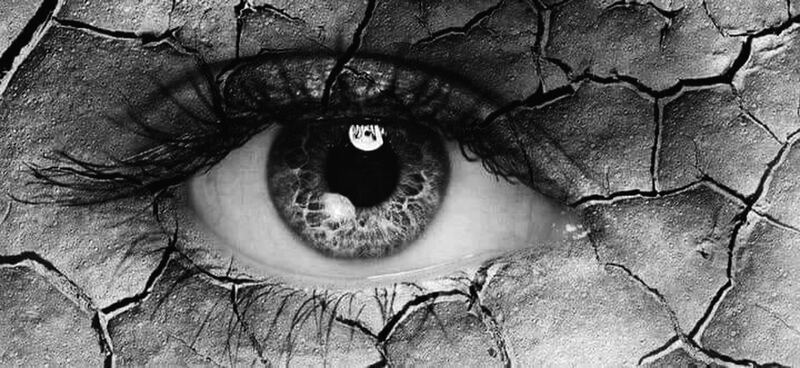
Every time you blink, your tears do a lot of quiet work. The surface of your eye is a delicate system, and it needs the right balance to function well. Tears keep it lubricated, wash away debris, and help protect against infection. When that balance gets thrown off, dry eye can follow. Understanding the condition is where managing it well begins.
What are the Causes of Dry Eye?
Dry eye usually has more than one cause. One of the most common is simply getting older. As we age, tear production drops, which is why dry eye is more common in people over the age of 65. Certain medical conditions are another frequent cause. Diabetes, rheumatoid arthritis, and thyroid disorders can all disrupt how the tear glands normally work.
Meibomian gland dysfunction (MGD) is another common culprit. These glands sit in the eyelids, and when they don't make enough good-quality oil to lubricate the eyes, the tear film evaporates too quickly. That can lead to dryness, irritation, and possible damage to the surface of the eye.
Role of an Optometrist in Diagnosing Dry Eye
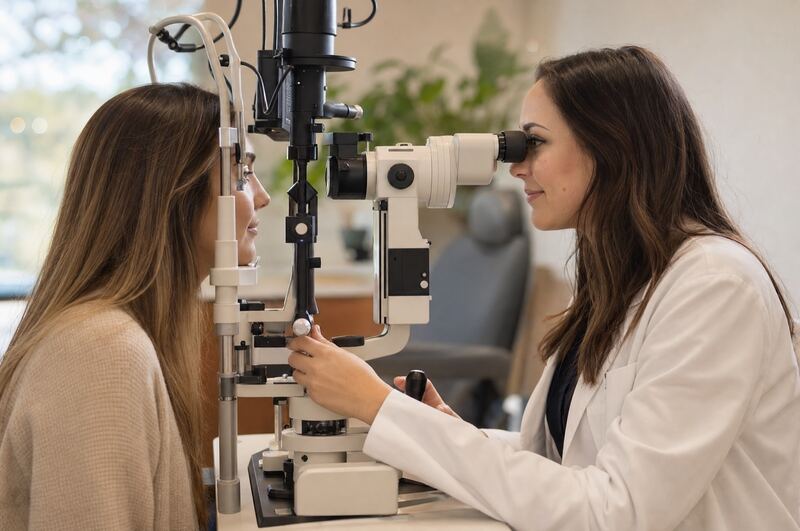
Optometrists have a big part in managing dry eye, because we're often the first healthcare professionals to spot the symptoms. We can start treatment to ease those symptoms and recommend more testing if it's needed. We also spend time teaching patients about the condition, with advice on lifestyle changes and self-care routines that can help keep symptoms in check.
Common Tests for Diagnosing Dry Eye
One of the tests we use most is the tear breakup time test (TBUT). It measures how fast your tears evaporate after you blink. If your tears break up quickly, dry eye is more likely.
Another common one is Schirmer's test, which measures how many tears you make. We place a small strip of paper under your lower eyelid to soak up tears. After a few minutes, we check how much moisture is on the strip to see if your tear production is where it should be.
Beyond these standard tests, there are advanced diagnostic techniques that give us a fuller picture of your dry eye. One is meibography. It's an imaging technology that lets your optometrist actually see and assess the health of your meibomian glands, the glands that make the oil layer of your tear film.
Another advanced option is tear film osmolarity testing. This measures the concentration of solutes in your tears, and a higher concentration means dry eye is more likely.
Managing and Treating Dry Eye After Diagnosis
Once you're diagnosed, managing and treating dry eye is how we ease your symptoms and help you feel better day to day. Treatment depends on how severe your dry eye is and what's causing it. Common options include prescription eye drops, along with lifestyle changes like taking breaks from screens, using a humidifier, and drinking enough water.
In other cases, your optometrist may recommend a procedure. Punctal plugs block the tear ducts so your tears don't drain away as fast. Thermal pulsation treatment warms and massages the eyelids to unclog the meibomian glands.
The Importance of Regular Check-ups for Dry Eye Prevention
Regular check-ups with your optometrist go a long way in preventing dry eye. These visits let us catch it early and manage it before it gets worse and starts affecting your life. Dry eye is more than an inconvenience. It can really affect your vision and the overall health of your eyes. With regular check-ups and the right care, you can keep your eyes healthy and keep enjoying clear, comfortable vision.
If you're having symptoms of dry eye, come see our team for a proper diagnosis at Inland Family Optometry in our Rancho Cucamonga or Chino, California office. Please call (909) 987-4919 or (909) 628-1226 to schedule an appointment today.
Ready to schedule your visit?