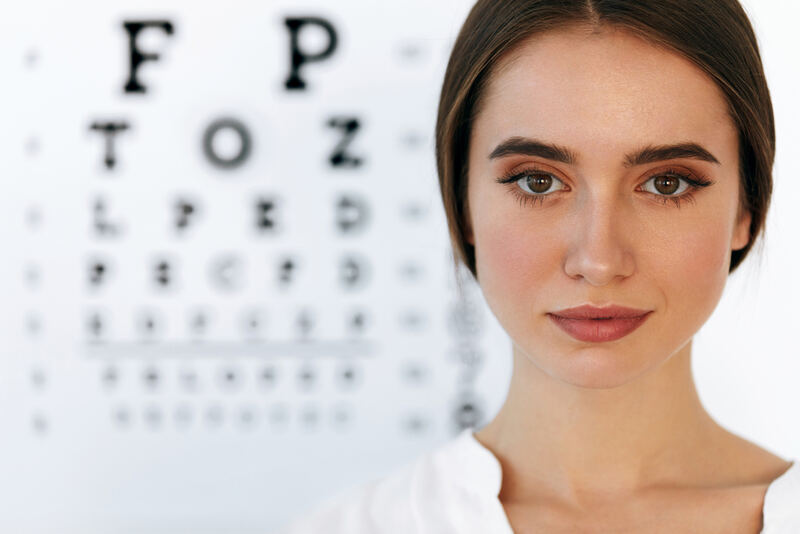
If your child has started squinting at the TV or moving closer to the board at school, nearsightedness might be the reason. Eye and vision specialists say myopia (nearsightedness) is on the rise among children and young adults. It happens when the eye doesn't refract light the way it should, so objects in the distance look blurry while things up close stay clear.
Why Is Nearsightedness on the Rise Among Kids in Particular?
Eye doctors often find myopia in kids between 8 and 12. If it isn't treated, it can get worse through the teenage years. Experts predict that by 2050, it will affect 50 percent of the world's population.
Eye care professionals believe more near work and less time outdoors are behind the rise in nearsightedness among kids. Optometrists and other specialists in myopia correction can offer treatment options for children who have it.
Eye Development and Vision
Problems with eye development and vision can lead to several kinds of visual impairment, including nearsightedness, farsightedness, and astigmatism. These are often correctable with glasses, contact lenses, or surgery.
Eye development and myopia are connected in children. Studies suggest that kids whose eyes grow quickly during childhood have a higher risk of developing myopia. That rapid eye growth can happen with too little time outdoors or long stretches of near work.
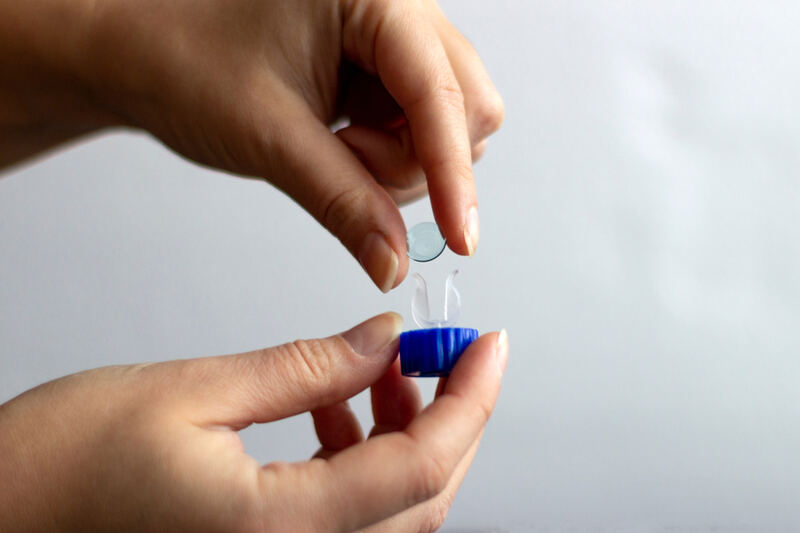
To help slow myopia progression, we look at cutting back on near work, getting your child outside more, and using specialized glasses or contact lenses.
Symptoms of Myopia in Kids
Nearsightedness can show up in children in different ways. Here are some common symptoms to watch for:
- Blurred vision when looking at distant objects
- Difficulty seeing the blackboard or television clearly
- Squinting or straining the eyes to see better
- Headaches or eye fatigue after reading or other close-up tasks
- Holding books or other objects too close to the face
- Consistently poor performance in school or sports
Diagnosis
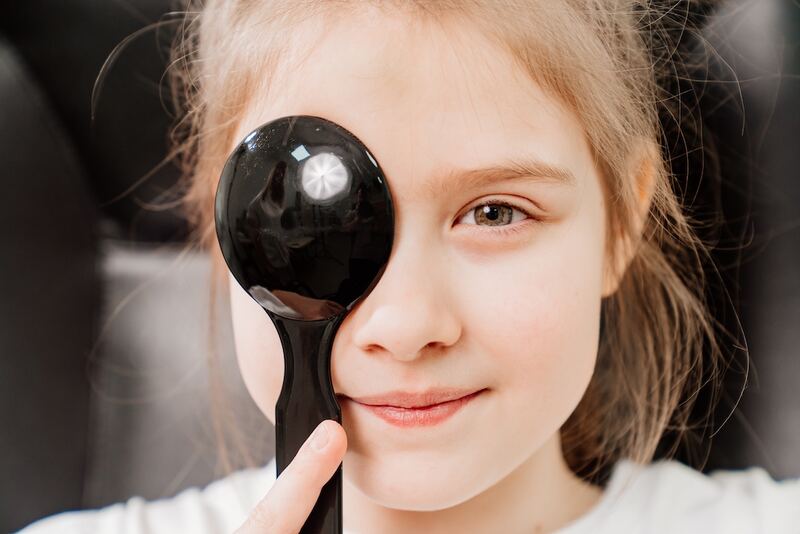
To find nearsightedness, eye doctors usually do a thorough eye exam. During the visit, the eye doctor or optometrist checks your child's visual acuity, which is how clearly they can see at different distances. They might also measure your child's refractive error with a device called a retinoscope.
The eye doctor may also check your child's overall eye health and look at the retina, cornea, and other parts of the eye. Along with visual acuity and refractive error, they'll figure out the degree and type of myopia using specialized testing like cycloplegic refraction or topography, which measures the shape of the cornea.
Kids should have regular eye exams, especially if they're showing symptoms like recurring headaches, trouble seeing things far away, or squinting. It's best to treat myopia early to slow it down and head off other vision problems later.
Conclusion
Keep in mind that some kids don't have any symptoms at all. If you think your little one might have myopia, it's best to schedule an eye exam with a pediatric eye doctor. They can do a full eye exam to find out if myopia is there and how severe it is.
For more information on myopia in kids or to schedule an appointment, call Inland Family Optometry at our Rancho Cucamonga or Chino, California offices. Call (909) 987-4919 for Rancho Cucamonga or (909) 628-1226 for Chino.
Ready to schedule your visit?