
About 30% of people around the world have myopia, which you might know as nearsightedness. And it keeps becoming more common, especially in young people. Nearsightedness happens when the eyeball outgrows what the cornea and lens can handle, so distance vision gets blurry. Recent research has found effective ways to slow this condition down in kids and adults, and we want to walk you through them.
Confidence in Diagnosis and Management
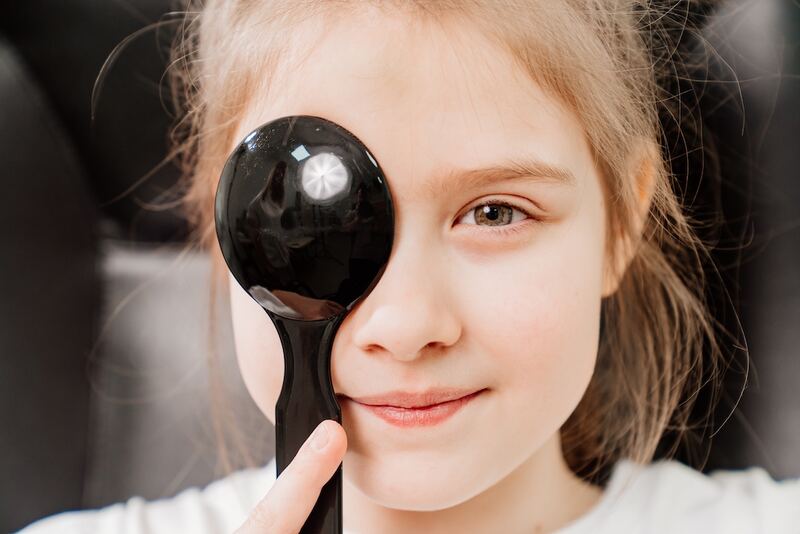
Optometrists use a few different tests to spot myopia and track how it changes. We measure refractive error, take pictures of the retina, and check visual acuity. Where eye doctors don't all agree is on measuring axial length.
Axial length is how deep the eye is from front to back. Some doctors see it as a key part of tracking myopia changes. Others skip it with their nearsighted patients. Research shows axial length is an early warning that nearsightedness is getting worse, and checking it regularly lets doctors step in sooner to slow it down. As treatments keep improving, measuring axial length may become routine.
Orthokeratology
Orthokeratology, or Ortho-K, uses special lenses that reshape your cornea while you sleep. You take them out during the day, and your nearsightedness is reduced. Wearing Ortho-K lenses at night for six to eight hours has shown a 50% decrease in progression over two years. Possible side effects include eye irritation, blurred vision, and corneal abrasions, so taking good care of your lenses really matters.
Atropine Eye Drops
Low-dose atropine eye drops are an effective medication-based treatment for controlling myopia. Research shows atropine can reduce progression by 50-60% in just two years. The usual dose is 0.01% atropine given daily. Lower concentrations have few side effects, but higher doses may cause temporary light sensitivity or make up-close vision less clear.
Multifocal Soft Contacts
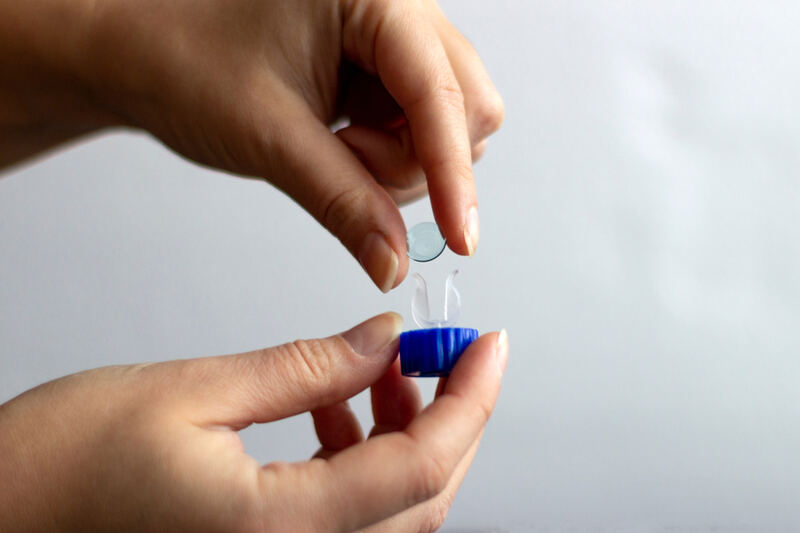
Multifocal soft contacts have different zones for seeing things at different distances, a lot like bifocal glasses. Research shows wearing them every day works best and can slow myopia progression by around 35% in two years. The main downsides are putting them in and taking them out daily, and finding the right fit. They tend to work best for people who already wear disposable soft contacts.
Myopia Control Eyeglasses
There are now special prescription glasses made for controlling nearsightedness. The most common designs use either bifocal lenses or peripheral defocus. Bifocal and progressive lenses make it easier for your eyes to focus up close.
Studies show they can slow childhood myopia progression by 20-30% over 18 months of wear. Defocus glasses have power around the edges to reduce peripheral hyperopia, which slows axial elongation. Early research shows around a 40% decrease in progression over two years.
Outdoor Time
Kids who spend more time outside every day are less likely to develop myopia. Experts suggest at least two hours of outdoor light exposure per day. That light triggers dopamine release in the retina, which helps regulate how the eye grows. Spending 40 more minutes outside each day can lower myopia risk by 23% in three years. One more reason to love all those weekend soccer games!
Emerging Management Options
Some newer options are on the way, too. These include specialty soft contact lenses with unique designs to reduce peripheral hyperopia, new spectacle lenses that use LCD technology or transparent panels to manipulate focus, and red light therapy at night to help regulate eye growth.
These new tools will help eye doctors protect vision and eye health. By adjusting focus, they help reduce peripheral hyperopia and keep the eye from elongating. More research is needed, but the future looks promising for new, non-invasive treatments.
Talk to Your Eye Doctor About Myopia Control
Ask your eye doctor about myopia control treatment to help preserve clear vision. These therapies can help kids keep their eyes healthy for many years.
For more eye care tips, visit us at our office in Rancho Cucamonga or Chino, California. Call (909) 987-4919 or (909) 628-1226 to schedule an appointment today.
Ready to schedule your visit?