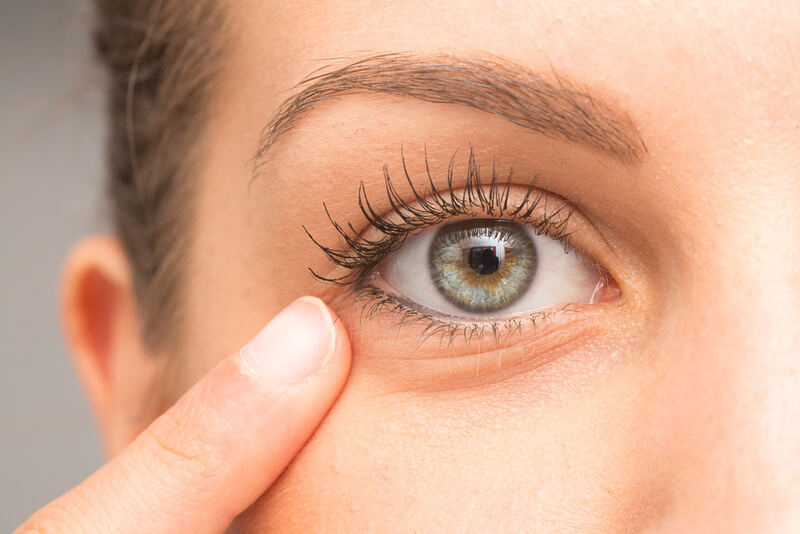

Does your dry eye burn, or does it feel more like sand in your eyes? We ask because dry eye really does feel different from one person to the next. Some people notice burning, redness, or watery eyes. Others deal with blurry vision, light sensitivity, or a gritty feeling that just won't go away. Picking the right dry eye treatment starts with figuring out what's causing your symptoms and how severe they've become. At Inland Family Optometry, we evaluate patients for dry eye treatment and build their care around what they need.
Start With the Type of Symptoms You Have
Not every dry eye symptom points to the same problem. Mild dryness after screen time may respond well to basic care, while ongoing irritation or vision that comes and goes may be a sign of a more complex issue. If your symptoms show up every day, get worse in air conditioning, or get in the way of reading and driving, it may be time for a more advanced treatment plan.
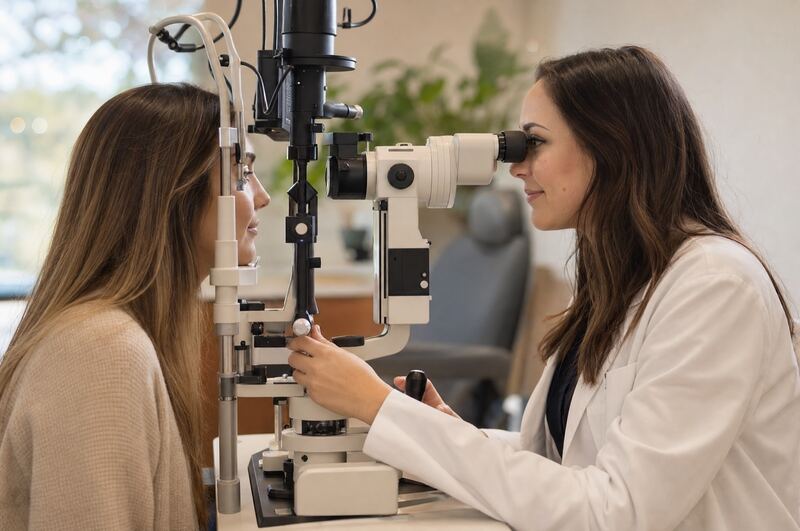
That's where a proper exam comes in. It helps us see whether your dry eye is tied to poor tear quality, blocked oil glands, inflammation, environmental triggers, or another underlying issue.
Mild Symptoms May Need Simple Support
For early or occasional dry eye, we usually start with conservative options. Lubricating eye drops, staying hydrated, blinking more often while you're on a screen, and managing your environmental triggers can all help. When symptoms are mild and don't happen often, these steps may be enough to make you more comfortable.
Short-term relief isn't always enough, though. If your drops only help for a few minutes, or you find yourself reaching for them constantly, you may need a more targeted approach.
Moderate to Persistent Symptoms Often Need Targeted Care
Once dry eye becomes more frequent, treatment should go after the source of the problem. Some patients do well with care that preserves their natural tears. Others need treatment that helps the eyelid glands work better or supports the surface of the eye.
Here are some of the treatment paths we may talk through with you:
- IPL-based treatment for certain dry eye cases
- Radio-Frequency to stimulate tear flow and stabilization
- Electrical impulses (DMSt) to stimulate the orbicularis and periorbital muscles
- NuLIDS for lid margin cleaning and better eyelid hygiene
- MiBoFlo Thermal Treatment to help support healthy oil gland function and tear film quality
- Scleral lenses for patients with corneal surface issues
Consider How Often Symptoms Affect Daily Life
The right treatment should match how much dry eye is affecting you. If your symptoms pop up once in a while, home care may be enough. If they're affecting work, driving, contact lens wear, or your comfort all day long, it's time to move past trial and error.
Long-term dryness can also lead to ongoing irritation and lower visual quality. That's why we base treatment on a full evaluation, not on symptoms alone.
A Personalized Exam Makes the Difference
Dry eye isn't one-size-fits-all. The best treatment is the one that addresses your specific symptoms, your tear function, and the health of your eyes. An eye exam in Chino can help us figure out whether you need simple symptom relief, in-office treatment, or a more advanced option for lasting comfort.
Schedule a dry eye evaluation with Inland Family Optometry and let's find the right dry eye treatment for your symptoms. Visit our office in Chino, California, or call (909) 628-1226 to book an appointment today. Our team is here to help.
Ready to schedule your visit?