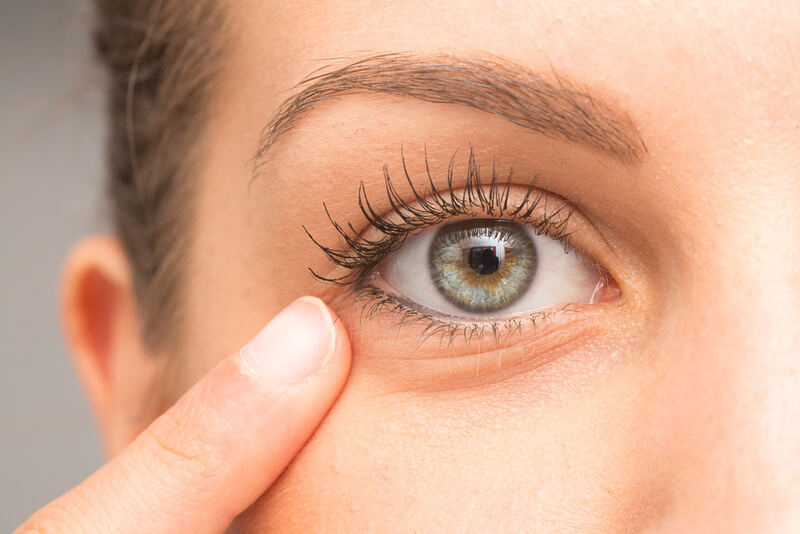

Maybe your child keeps rubbing their eyes after school, or says their eyes burn after an evening on the tablet. Dry eye is a common eye condition that affects people of all ages, and while we usually think of it as an adult problem, kids can have dry eye symptoms too. It happens when there aren't enough tears to keep the eyes lubricated and nourished. In children, it can be caused by things like their environment, underlying health conditions, allergies, contact lens wear, and too much screen time. For parents and caregivers, knowing the causes, the symptoms, and the ways to help makes a big difference.
Common Causes of Dry Eye in Children
A few different things can lead to dry eye in kids. Screen time is a big one, especially long stretches on smartphones, tablets, and computers. Dry and dusty indoor spaces, along with exposure to allergens and irritants, can also cause problems. Kids with allergies, particularly seasonal allergies, may get dry eyes as part of their allergic reactions. Certain medications, including antihistamines, can have a drying effect on the eyes too.
Contact lenses can be part of the picture as well. If your child wears them, improper lens care, overuse, or sensitivity to the lens materials can leave their eyes dry and uncomfortable. And in some cases, underlying medical conditions, such as autoimmune diseases or certain systemic illnesses, can contribute to dry eye symptoms in children.
Recognizing the Symptoms of Dry Eye
Spotting the signs helps with early intervention and management. Kids can't always describe what they're feeling, so it really helps when parents and caregivers keep a close eye out.
Redness is a common one. If your child often complains of red or bloodshot eyes, it may be a sign of dryness and inflammation. Many kids with dry eye also feel itching, burning, or a gritty sensation, and you may notice them rubbing their eyes a lot or seeming uncomfortable. Strangely enough, dry eye can also cause excessive tearing, because the eyes try to make up for the lack of lubrication. So if your child's eyes water often for no obvious reason, it could be dry eye.
Some children with dry eye become more sensitive to light and feel discomfort or even pain in bright lights or sunlight. Dry eye can also cause temporary blurry vision, which makes it harder for kids to focus or see clearly. Knowing these signs helps you take the right steps to address your child's dry eye concerns.
Strategies to Address Dry Eye in Children
Managing dry eye in kids usually works best with a few approaches at once. Here are some strategies that can help ease their symptoms:
- Encourage your child to drink plenty of water. Staying hydrated helps the whole body, eyes included, and supports tear production to help prevent dryness.
- Limit screen time. Build in breaks and outdoor activities so their eyes get a rest and eye strain doesn't build up.
- Check the lighting. Overly bright or dim lighting can strain the eyes and add to dryness, so aim for something comfortable.
- Try a humidifier if the air at home is very dry. Adding moisture to the air can help prevent dry eyes and other related symptoms.
- Use a warm compress. A clean, warm washcloth over your child's closed eyes for a few minutes can help stimulate tear production and give temporary relief.
- Reach for artificial tears. Over-the-counter drops can lubricate the eyes and ease symptoms. Choose preservative-free drops made specifically for children.
- Add omega-3 fatty acids to their diet. Foods like fish, nuts, and seeds can promote eye health and reduce inflammation linked to dry eye.
- Practice good hygiene. Regular handwashing and keeping dirty hands away from the eyes helps prevent eye infections that can make dry eye worse.
These steps let you get ahead of your child's dry eye. If symptoms persist, it's a good idea to see an optometrist for a full evaluation and appropriate management.
Ensuring Your Child's Eye Health
Dry eye is common, and it can affect children as well as adults. When you understand the causes, recognize the symptoms, and put the right strategies in place, you can do a lot to manage your child's dry eye. An optometrist can provide a thorough evaluation, a diagnosis, and a personalized treatment plan for your child's specific concerns.
If you have any concerns about your child's eye health or want more guidance on dry eye, contact Inland Family Optometry at our office in Chino, California. Call (909) 628-1226 to schedule an appointment today.
Ready to schedule your visit?