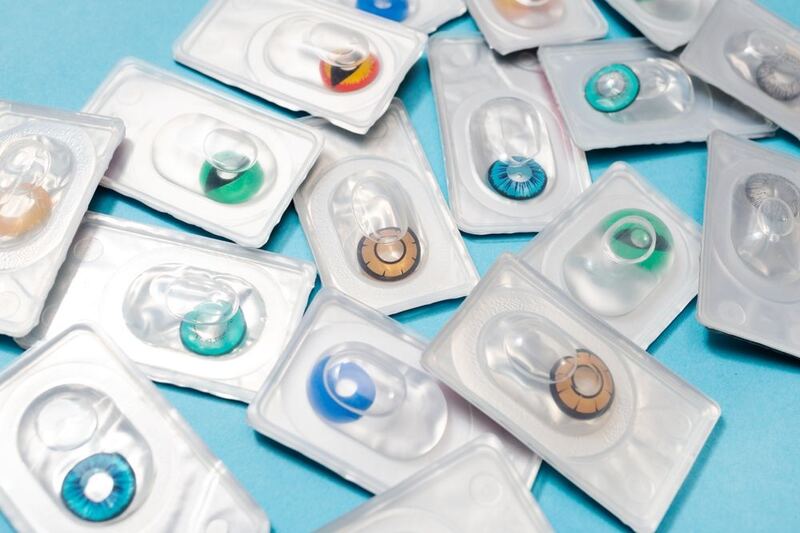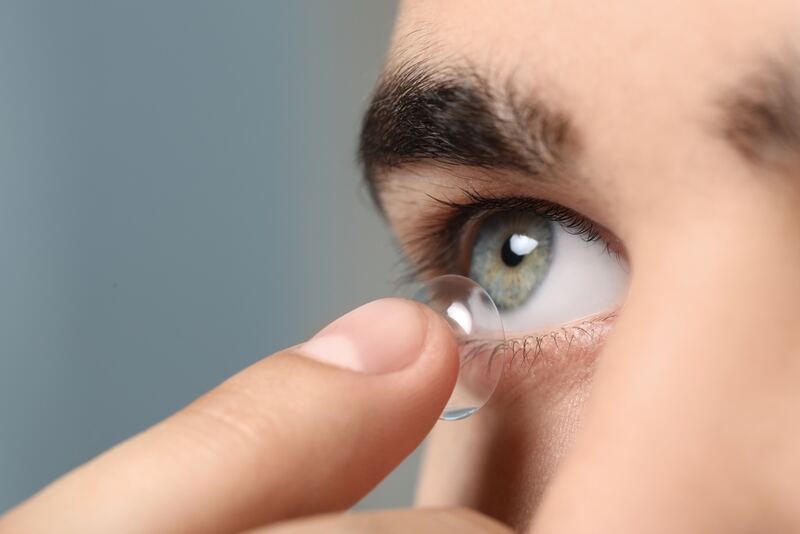

Most people hear contact lenses and picture the same thing: a soft, thin lens you put in every morning. Contacts are a popular alternative to glasses for correcting vision, but they aren't all the same. There are several types out there, each one designed for different vision problems or with its own special features. Here's a closer look at how specialty contacts differ from traditional ones.
Availability
Specialty contact lenses may not be as easy to find as traditional contacts. They may require a prescription from a specialist, and not every optometry office or optical store carries them.
Materials
Traditional lenses are made of a soft, flexible plastic that moves easily with your eye and feels comfortable. Specialty lenses can be made from a variety of materials, including silicone hydrogel, which lets more oxygen reach the eye. That means you can wear them for longer stretches.
Irregular Cornea
Scleral lenses are one type of specialty contact. They're ideal for people with irregular corneas or severe dry eyes, two conditions where regular contacts may not be a good fit.
Scleral lenses vault over the cornea and rest on the sclera. That gives light a smooth, even surface to pass through, which cuts down on glare and halos. They also fit more comfortably for people with irregular corneas or dry eyes.
Care Instructions
Specialty contacts may come with care instructions that are different from what you're used to. Scleral lenses, for example, may need special cleaning and disinfecting solutions. Following those instructions is how you prevent eye infections and other complications, and it helps your lenses last longer too.
Power
Power range is how well specialty contacts can correct specific vision problems. Specialty lenses can have a higher or lower power range than regular contacts, depending on their design and the vision problem they're meant to address.
Design
Traditional lenses are made to correct refractive errors like nearsightedness or farsightedness. Specialty contacts take on specific vision problems, such as astigmatism, presbyopia, or keratoconus.
Some specialty contacts are even designed to change the shape of the eye. Orthokeratology lenses, for example, temporarily reshape the cornea. The aim is to reduce or eliminate the need for glasses or contacts.
Replacement Schedule
Specialty lenses follow a different replacement schedule than conventional lenses. Some are disposable and get replaced daily, weekly, or monthly. Others can be worn for longer periods and may only need replacing every few months or years.
Cost
Specialty contacts can cost more than traditional ones. The price depends on the lens type and the replacement schedule. Some insurance plans cover specialty contacts, and others don't.
Fitting
Getting fitted for specialty contacts can be more involved than a regular lens fitting. They may need extra measurements and evaluations to make sure the fit is right.
Are Specialty Contacts Right for You?
Specialty contacts are an excellent option if you have specific vision problems. That said, they may cost more and feel less comfortable than traditional contacts, and the fitting process can be more involved. Talk with a licensed eye doctor to find out if specialty contacts are right for you.
Want more information on specialty contact lenses? Reach out to Inland Family Optometry at our offices in Rancho Cucamonga or Chino, California. Call (909) 987-4919 (Rancho Cucamonga) or (909) 628-1226 (Chino) to schedule an appointment today.
Ready to schedule your visit?