Tears do a lot more work than most people realize. When your eyes don't make enough of them, or the tears evaporate too quickly, your eyes lose the lubrication they need. That's dry eye, and it can cause discomfort and even vision problems. Knowing how it works is a big part of managing it well and keeping your eyes healthy.
What is Dry Eye?
Dry eye happens when your eyes don't produce enough tears, or the tears they do make aren't good quality. Tears matter so much for keeping the front surface of the eye healthy and your vision clear. Dry eye is common and often chronic, especially in older adults.
Every time you blink, tears spread across the front surface of the eye, called the cornea. They lubricate the eye, lower the risk of eye infection, wash away anything that gets in, and keep the surface smooth and clear. Extra tears flow into tiny drainage ducts in the inner corners of your eyelids, which drain into the back of your nose. When tear production and drainage get out of sync, dry eye can happen.
Understanding the Causes of Dry Eye
There are quite a few possible causes. Sometimes it's simply part of getting older, and many people aged 50 or older have some dry eye symptoms. Women are also more likely to develop dry eyes because of hormonal changes from pregnancy, oral contraceptives, and menopause.
Certain medical conditions can lead to dry eye as well. These include diabetes, rheumatoid arthritis, lupus, scleroderma, Sjogren's syndrome, thyroid disorders, and vitamin A deficiency.
Problems with the eyelids or with blinking can cause dry eyes, too, and so can some medications, like antihistamines, decongestants, hormone replacement therapy, and antidepressants.
Common Signs and Symptoms of Dry Eye
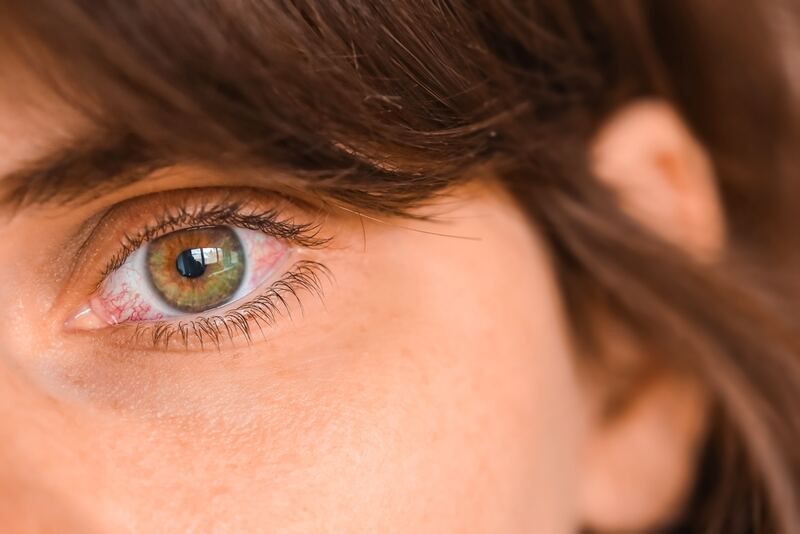
The most common signs are a stinging, burning, or scratchy feeling in your eyes, stringy mucus in or around the eyes, light sensitivity, and redness. You might also feel like something is in your eye, have a hard time wearing contact lenses, struggle with driving at night, or notice watery eyes.
It may seem odd, but dry eye can cause watery eyes. When the surface of the eye gets too dry, it can push your eyes to overproduce the watery part of your tears as a protective response. But this "reflex tearing" doesn't stay on the eye long enough to fix the underlying dry eye. Some people with dry eye also describe a "foreign body sensation," which is that feeling of having something in your eye.
When to See an Optometrist for Dry Eye
If you've had signs of dry eye for a while, like red, irritated, tired, or painful eyes, please don't ignore them. Make an appointment with an optometrist.
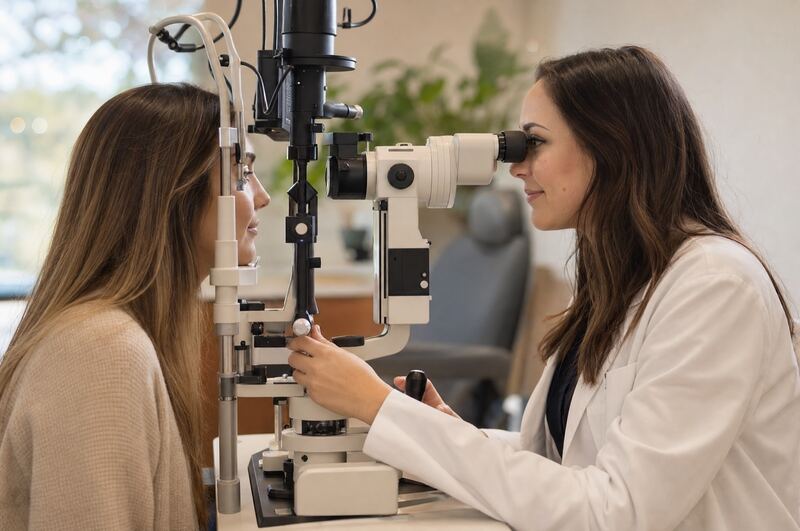
Dry eye can damage eye tissue, scar your corneas, and impair your vision. An optometrist can measure the volume and quality of your tears to tell whether you have dry eye. Your doctor can also look for underlying diseases or conditions that may be behind your symptoms and recommend treatment.
Maintaining Your Eye Health
Living with dry eye can be tough, but with the right information and support, it's manageable. When you understand what dry eye is, recognize the signs, and know when to come in, you're already doing a lot to protect your eye health.
If you're noticing signs and symptoms of dry eye, let's work on finding you some relief. Visit Inland Family Optometry at our office in Chino, California, or call (909) 628-1226 to schedule an appointment today.
Ready to schedule your visit?